# politics
In their fight against postmodernism, the so-called dark web intellectuals managed to create its regressive parallel universe clone.
# longform
What do sex workers, psychologists, and engineers think about futurists' and pundits' ideas of sci-fi style robot brothels to help angry celibate men?

# tech
When the internet really doesn't like you, there isn't much you can do but get better. Just don't tell that to angry aging lawmakers. They will refuse to believe you.
# health
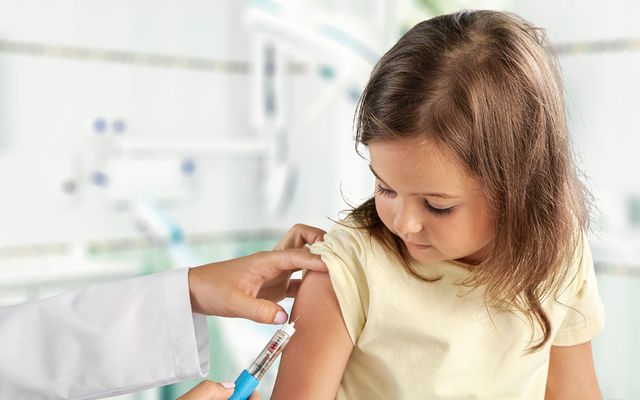
Evidence-based medicine, vaccination, and good science are out in Italy. Alt med scams, snake oil, and anti-vaccination propaganda are in.
# space
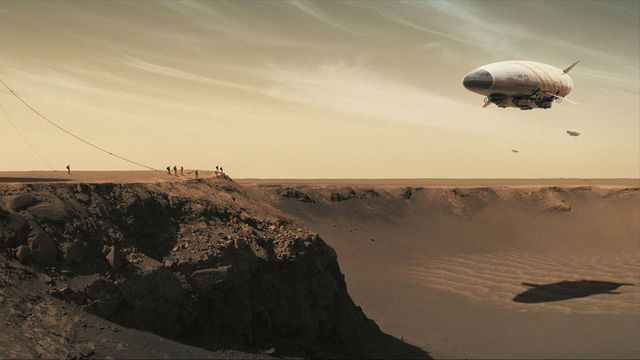
InSight's recording of Martian winds isn't what you'd hear if you were on the planet yourself. And if you start asking why, you'll find out some bizarre and fascinating things about how winds work on alien worlds.
# space
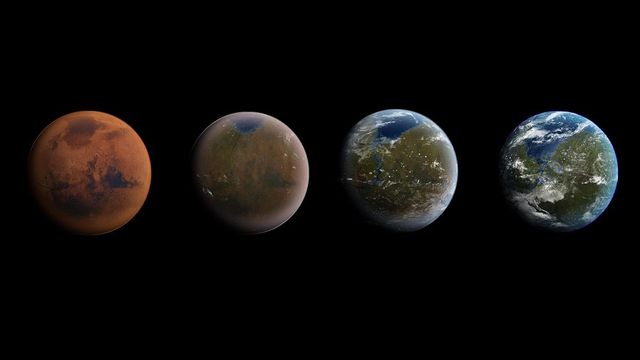
We've dreamt of turning Mars into Earth 2.0 for decades. But is it possible? Or even worth the effort?
# tech
Some Canadians are trying to save cashier jobs. But their phones and cheap, proven technology is poised to eliminate having to check out altogether.

# longform
We should take the gig economy's rapid growth and global impact as a warning that we need to make some major changes, and we need to make them very quickly.
# health
He Jiankui tried to create two human beings resistant to HIV. Instead he triggered an international scandal with his methods and work experts describe as amateurish and shoddy.

# health
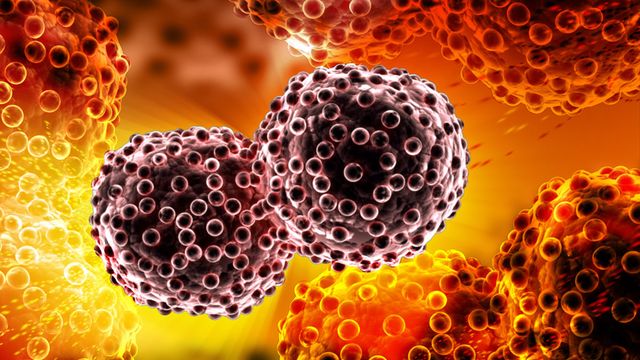
Researchers may have found a cheap, easy, and far less invasive way to screen for cancer than conventional scans and biopsies. But there's still a lot to test before it makes its way to your doctor's office.
# science
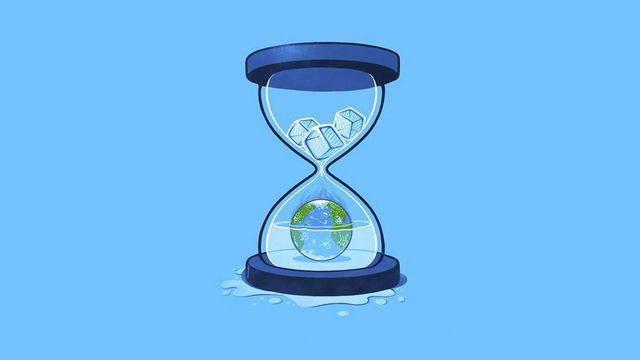
A new geoengineering experiment seeks to cool the Earth by safely emulating the aftermath of volcanic eruptions. But even if it's successful, all it can do is buy us time.
# science
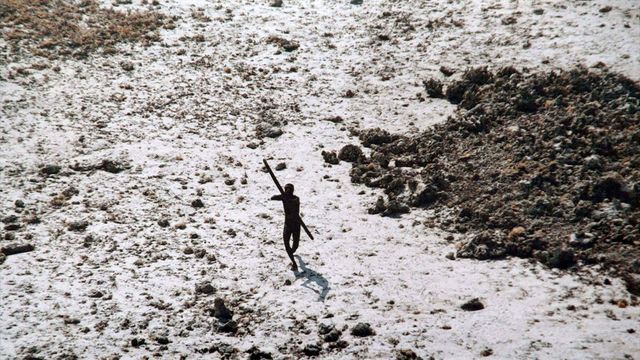
The world's most remote and least contacted tribe wants to be left alone, and they'll use lethal force to make sure of it. But what happens if that contact is accidental?
# health
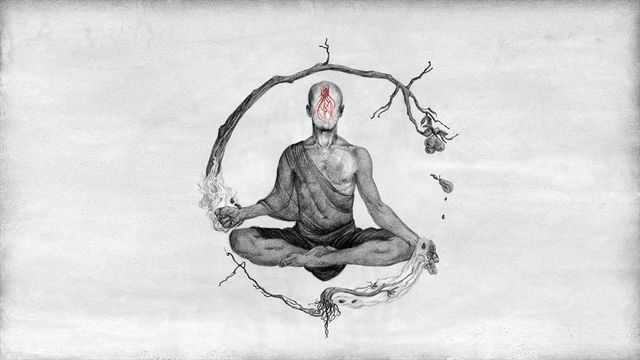
Researchers want you to know that immersing yourself in your own mind isn't all sunshine and enlightenment.
# health
A common refrain says that we live twice as long as our ancestors while it's our life expectancy that's increased, not our lifespan. And that difference is extremely important to keep in mind.

# tech
Voting online would be easy and convenient for millions of voters. But won't solve big problems and we already have an almost equally convenient way to cast your ballot.