a new date for doomsday
If you're worried about 2012, don't be. Now, 2036, that's another matter...


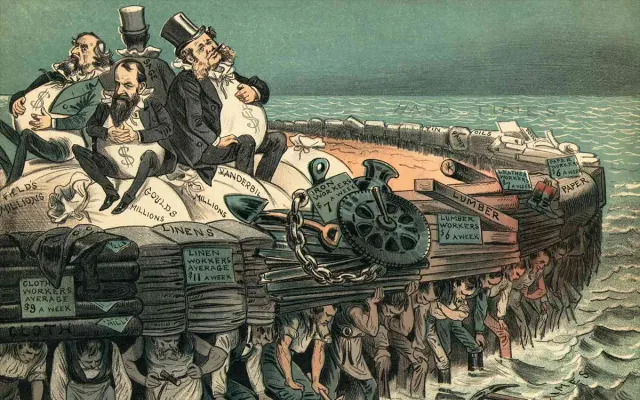
Illustration by H. Jakowlew
If you were counting down the days to December 21st, 2012 and a whole year's worth of press releases from scientists about the lack of scheduled comet impacts, bizarre stellar alignments or magnetic pole reversals have you down, here's another date you can mark on your doomsday calendar. April 13, 2036. On that day, the world faces a one in 45,000 chance of being hit by a 350 meter wide piece of solid rock known as Apophis.
This giant boulder is due for a close approach in April of 2029 and if it gets just close enough to the Earth, it will slingshot around and slam into our planet almost exactly seven years later. An area stretching from Central Asia into China, across the Pacific Ocean and to the shores of Venezuela might suffer a catastrophic impact that could cause millions of fatalities.
Hold on a second, you might say, the odds of that happening are 45,000 to 1 against. Why ring the alarm bells? To put those odds in perspective, consider that it's only 9 times less likely than dying in a car crash and a stunning 244 times more likely than dying in a plane crash. You're less likely to be hit by lightning in your lifetime than living through the aftermath of Apophis' impact.
But before you rush to embrace a new 12/21/2012, there's another thing to keep in mind. The asteroid that's widely believed to have wiped out the dinosaurs and triggered one of the biggest mass extinctions in history is estimated to be over 9,600 meters. That would make it about 27 times larger than Apophis.
Needless to say, if Apophis hits the Earth, it will be a global disaster that could easily eclipse the Indian Ocean Tsunami. It will release 880 megatons of raw energy, more than 17 times the power put out by the most powerful nuclear warhead ever built. But it wouldn't be a repeat of what happened 65 million years ago.
If it slams into land, expect terrifying earthquakes rippling across the planet and concentrating on the opposite side of the world from ground zero, promptly followed by meteor showers as thousands of tons of rock ejected into space during the impact come back down. If the asteroid hits water, prepare for a basin wide tsunami that could wreak havoc on giant cities which string the Pacific coastlines and their vast populations.
Almost 100 million people would be at risk. It might seem like the beginning of the end, but there wouldn't be a mass extinction or an impact winter afterwards. Apophis is too small for that and the human race will easily survive the worst case scenario despite a heavy death toll, expensive clean-up and major economic ramifications.
Of course, we don't have to just grit our teeth, hoping Apophis won't hit us and we won't have to clean up the huge mess if it does. There's no shortage of plans for devices that would avert the threat. No need to send Bruce Willis and Aerosmith up there with a nuke. A few small robots could push Apophis on a different trajectory and safely away from Earth.
Though with nations worried about the financial crunch and everyday problems much more than inconsequential, little things like giant boulders that might slam into the Earth causing widespread death and devastation, I wouldn't expect anyone to build them until we know that an impact is imminent. Happy 4/13/2036 I suppose…