the uncertain return on luxury space tourism
Research says that going into space makes you care more about the planet. But does this still hold true if your trip is a luxurious getaway?


When William Shatner finally got to do what his on screen persona was casually doing for decades and actually experience what lies beyond our world, he came back with a profound emotion. Sadness. Of course, after sending Captain James Tiberius Kirk just past the official beginning of space, Blue Origin decided not to dwell on this fact and his actual feelings in their cheery press release, but it is important that we note it here as Shatner was overcome by something common in astronauts: the overlook effect.
Basically, space is a radioactive void actively hostile to your existence, and when you find yourself floating in said void over a very fragile looking planet, realizing that it is the only place you can actually exist without billions of dollars worth of complex and fragile technology created and carefully maintained by thousands of people back on that planet, and will be for the foreseeable future of humanity, you start getting really concerned about its destiny and environment. In short, it's a humbling experience.
It's little wonder than that Shatner, like the hundreds of astronauts before him, looked out at Earth and a voice in their minds screamed what in the hell are we doing to our one and only home?! before coming down to Earth to realize that the company which indirectly funded his trip is responsible for a great deal of the environmental atrocities that would weigh so heavily on his mind. The fact that he felt sad about it is, to quote another famous Star Trek character, only logical.
how the overlook effect really works
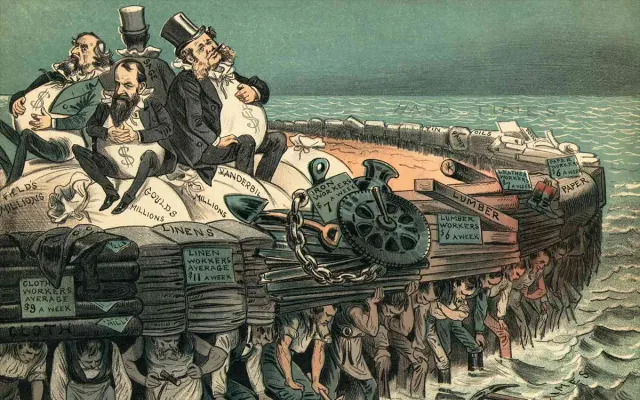
But what if space tourism, touted to be the thing that may finally put oblivious elites — who care nothing for our world as long as the can maintain their opulent lifestyles in peace and fruitlessly attempt to satisfy their downright pathological greed — down to Earth and at least listen to their survival instinct, becomes just another luxury which poses none of the risks or exposes them to any of the complexities of space travel? Would they still understand what was happening? Would they still care?
That's the question posed by climate journalist Jessica Camille Aguirre as she talked to space tourism startups promising an ever more relaxed and luxurious experience to their deep pocketed patrons. If all the difficulties are out of sight and out of mind, as they are when you visit a five star resort, as machines or white gloved butlers wait on you hand and foot, how exactly will you gain an appreciation for the fragility of Earth, our existence, and the danger of taking it for granted? The amazing views?
It's a question absolutely worth asking. One of the reasons we are in the jams that we are from socioeconomic and environmental standpoints is that we allow the wealthy and powerful to self-mythologize their upbringing, successes, and talents so they can believe they're somehow special and destined for greatness, and end up surrounding themselves by yes-people who sing their paeans while indulging their every whim. If we extend this to space, they're likely to feel like they've conquered it as well.
from existential truth to ostentatious waste
While Elon Musk constantly brags about how he wants to die as the Emperor of Mars, surrounded by an army of indentured servants, the reality is that no billionaire is even close to so much as spending a month on the Moon. Every minute of their lives would be owed to millions of hours of experts troubleshooting countless problems and full blown teams of doctors tracking the immense damage radiation and microgravity will do to their brains, blood, muscles, bones, and immune systems.
This is why there's no Planet B to which the self-appointed masters of humanity could escape when they befoul Earth, and their one way tickets to Mars and beyond are just pipe dreams they've repeated so much that they've began to believe it. The promise of space tourism is that it would shake them awake and show them that they're mere mortals after all, no matter how much they get their asses kissed on a daily basis, not bottles of Veuve Clicquot and gold dusted foie gras beyond the Karman Line.
In short, we may owe it to ourselves to keep space tourism spartan and humble, to put those who believe exploring space is just another luxury adventure to work, and show them just how much effort, knowledge, and nerve it takes to reach beyond Earth, and how many people are involved in just keeping them alive as they try to leave low orbit. It may be true that a profound experience is that it takes to shake our elites from their current wealth-induced stupor, but we'll have to keep that experience truly profound, not just build Ritz Carltons and Four Seasons in orbit.