the world at 9 billion
Humanity is growing in number and we're starting to strain the planet and ourselves.


Illustration from a work by Christian Hecker
Pop quiz. While some scientists are worried that thousands of species are teetering on the brink of extinction, what mammal population increased by more than 400% in the last century? Here's a little hint. In 1900, this species numbered 1.6 billion. Today, its numbers are estimated at over 6.7 billion. Yes, that's right. I'm talking about humans.
And we're not done yet. Growing at 1.15% a year, the world's human population is estimated to reach 9 billion sometime around 2050 according to the UN or 9.5 billion according to the U.S. Census Bureau which is usually less conservative in its projections. Our numbers can swell so quickly because unlike other living things on Earth, we have technology and can adapt to pretty much any environment within our lifetimes rather than over many generations.
So you'd think that with enough technology we can cope with anything, even population explosions, right? Actually, no. Not really. We only have one planet with finite resources. More than 9 billion of us will place an even bigger strain on the environment as we try to meet our needs for energy and sustenance. We also need to keep in mind the vast economic divide between the haves and have nots in the world.
Half of all humans live on less then $2.50 a day and 25% don't have access to electricity. With most of the population growth in the future coming from areas usually hard hit by poverty and with little to no access to energy, medicine and steady food and water supplies, the future looks grim.
Expect an increase in crime, territorial skirmishes and regional wars. With no other way to get the money and resources they need, people in the developing world will have few other choices. The pirates around the Horn of Africa which have been making headlines for the second half of last year, are a perfect example of this.
Many of them live in Somalia, a nation ravaged by wars and with no working government to speak of. There are no factories, few farms, no jobs and no foreign investment or infrastructure, but they have families and themselves to feed. What else are they going to do other than pick up a machine gun and try to rob a cargo ship passing by? The same principle will apply in impoverished nations and in nations which are going through increases in social divides.
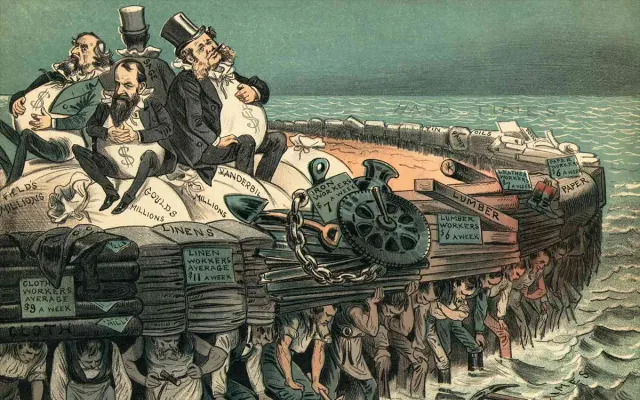
When a tiny percentage of the country gets vast wealth and the rest of the people live in alarming poverty, criminal enterprises boom and civil unrest ferments. As the gaps between the rich and the poor become even bigger with a much larger population and scarcer resources, it's a safe bet that such unrest can spill into a full blown civil war. Charitable programs and foreign aid can't keep up with the problems caused by resource scarcity. What's the likelihood that they'll be able to make a dent in problems twice as big?
According to an estimate by the UN, by 2200, the world population will reach its peak at around 10 billion. (see page 5 of pdf) But that might be too optimistic. Population growth is beginning to slow down. When cultural stigmas about using birth control in the developing world start to vanish with new generations who want to be in control of their future, we might be looking at a worldwide population decline by 2060.
We've gotten to the point when we have billions to feed but not enough with which to feed them. Our desire and cultural imperatives to reproduce are what's keeping our population rising despite widespread famine, disease and poverty.
Because these problems are going to multiply with a bigger population, it seems unlikely we'll ever reach the 9 billion estimate unless we find a way to lift half the world out of poverty, build trillions of dollars worth of vital infrastructure and improve healthcare in the developing world to make sure more children and teenagers survive. Apparently, not even a species that knows how to build cities and live in just about any climate, no matter how harsh, can escape the rules by which nature controls populations.