#alien life
# astrobiology
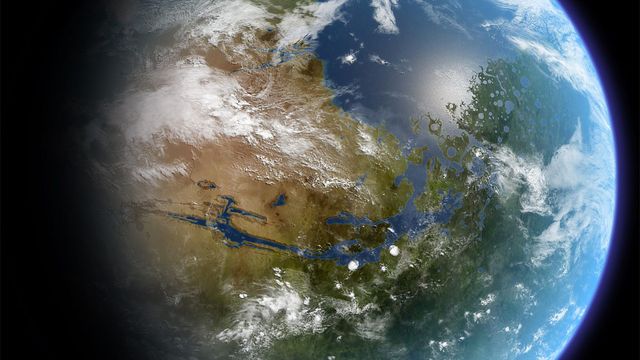
Just because an alien invasion is very unlikely doesn't mean we shouldn't spend at least some time and effort preparing for the possibility...
# astrobiology
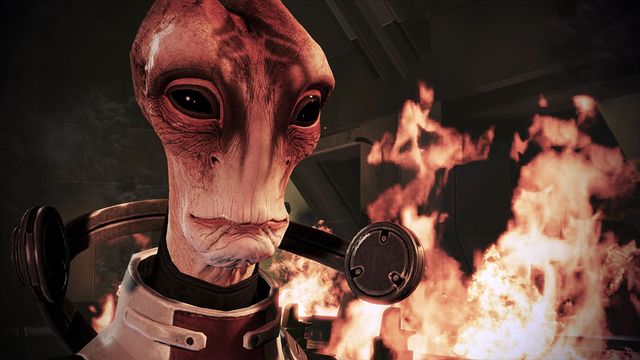
Chandra Wickramasinghe lays out an elaborate theory how the agency tasked with finding proof of alien life is suppressing evidence of alien chemistry and microbes on Earth because reasons.
# space
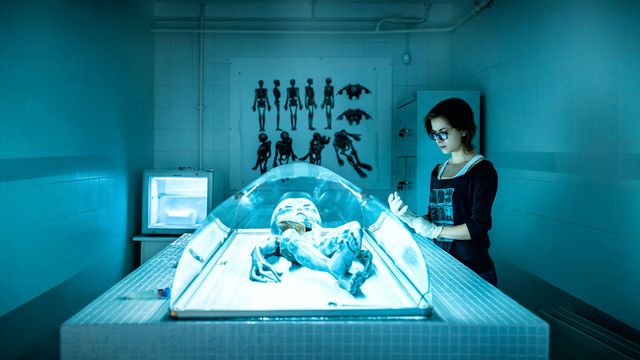
Before closing its doors forever, the Journal of Cosmology lobs one last volley for its theory of panspermia and it's a... well, it's certainly something.
# astrobiology
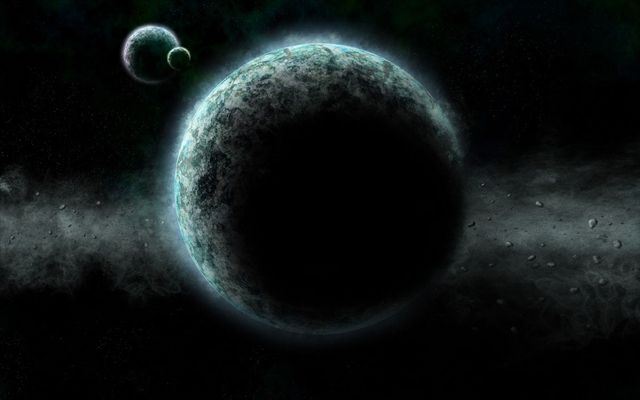
Is oxygen in the air a necessity for an alien civilization to develop?
# astrobiology
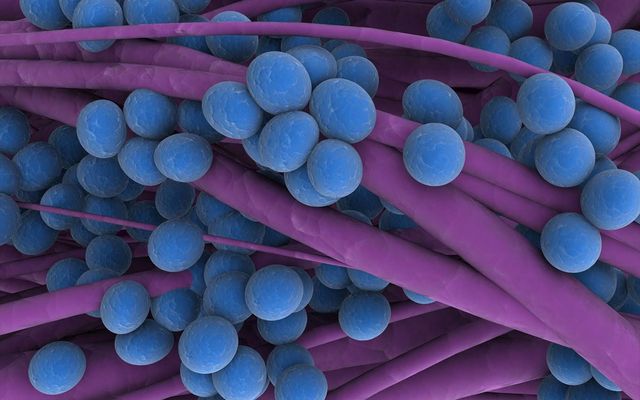
Nearly half the planet's living things could live deep under the surface, raising fascinating questions about how life got started on Earth and where else it could thrive in our solar system.
# astrobiology
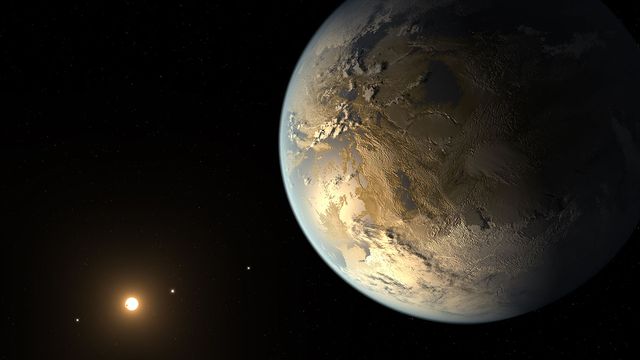
Alien hunting is a long, complicated, and arduous process. Pop sci news coverage wants to make it sound fast paced and exciting, even if editors have to sell the same stories again and again.
# astrobiology
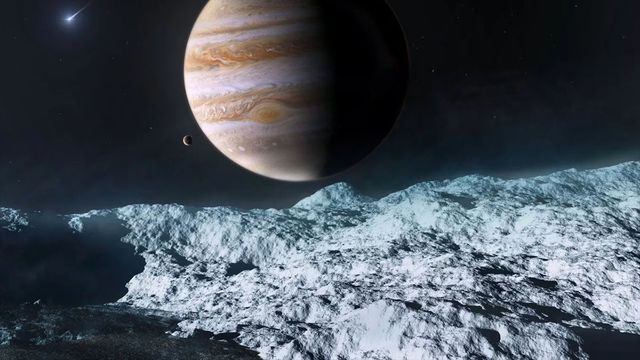
The outer solar system isn't just toxic gas giants and ice. It's full of bizarre oceans with the promise of life and alien chemistry that we didn't think was possible even a few years ago.
# astrobiology
When we really think about it, there could be a lot of reasons alien life can't, or doesn't want to, talk to us besides fear, politics, or timelines.
# astrobiology
Panspermia is a hypothesis of how life might have hitchhiked to Earth. It's not meant to explain how life actually began.
# astrobiology
Statistically, and scientifically, the aliens are out there. The only question is how long it will take us to find them.
# space
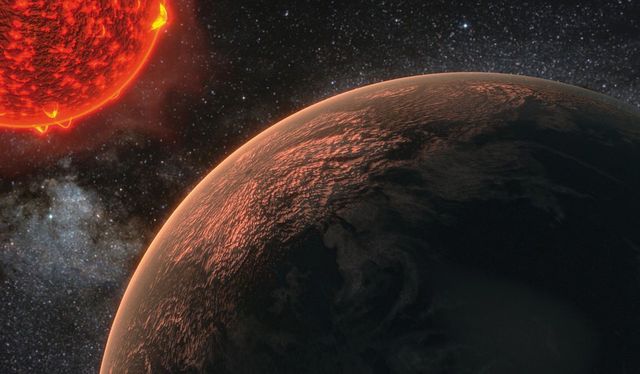
Taking a hypothetical trip to one of the most promising candidates for life outside our solar system.
# astrobiology
Light from alien worlds could have a telltale signal of a forest, hinting at an entire extraterrestrial ecosystem.
# science
The universe is not "made for life" as is often said. Life just, uh, finds a way.
# astrobiology
If we find life on Mars, it might be surprisingly difficult to confirm that it's actually Martian.