#astronomy
# space
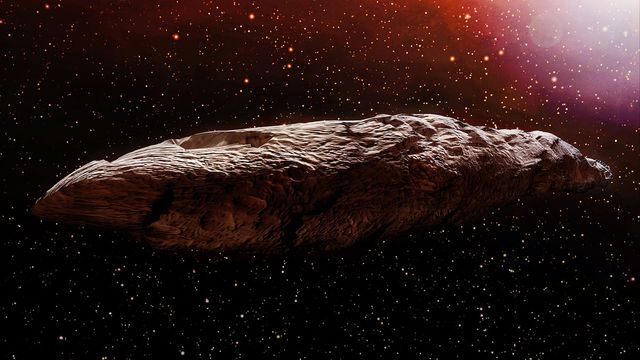
A new paper about the bizarre interstellar visitor to our solar system says it may well be a lost alien spacecraft. But there's a big snag with that idea...
# space
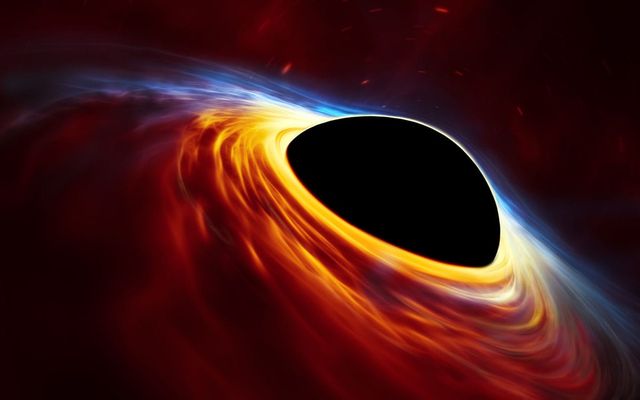
Despite their fearsome reputation, we simply wouldn't exist without black holes.
# oddities
Flat Earthers don't seem to realize that their theory violates basic laws of physics.

# astrobiology
A new proposal posits that some of the fast radio bursts we've been routinely detecting may be coming from aliens, though not on purpose...
# space
Knowing how life started right here at home can tell us how likely it is to sprout on another world.

# astrobiology
The TRAPPIST-1 solar system is the most unique one we've seen so far and could offer amazing possibilities for life.

# science
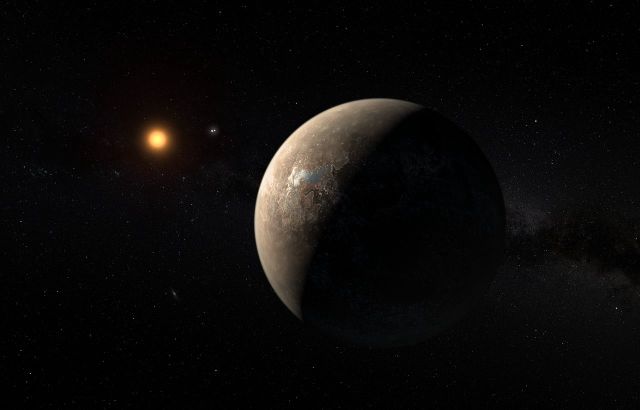
We still know very little about the closest extrasolar world we've discovered, including whether it's suitable for life.

# astrobiology
If there was a thriving alien civilization on one of the best candidates for life in our stellar neighborhood, we missed them by well over a billion years...
# science
Just because we're very unlikely to hear from aliens doesn't mean we shouldn't at least try to listen.
# science
A new paper claims that the universe's expansion isn't accelerating. If that's true, we have to start rewriting cosmology as we know it.
# astrobiology
Oddly, this is a case when a few signals would make a better case for alien contact than hundreds.
# space
We typically think of Earth as an ideal world for habitability, but what we've discovered so far hints at us being an oddball.
# science
Fast radio bursts get even more mysterious with new detections and point to a new culprit: magnetically supercharged neutron stars.
# space
While studying mysterious fast radio bursts, astronomers figured out why the universe weighs as much as it does and where that mass went.
# astrobiology
An alien civilization's megaproject is very unlikely to be responsible for the weird signals from a strange star. But we can't entirely rule it out...