#computer science
# tech
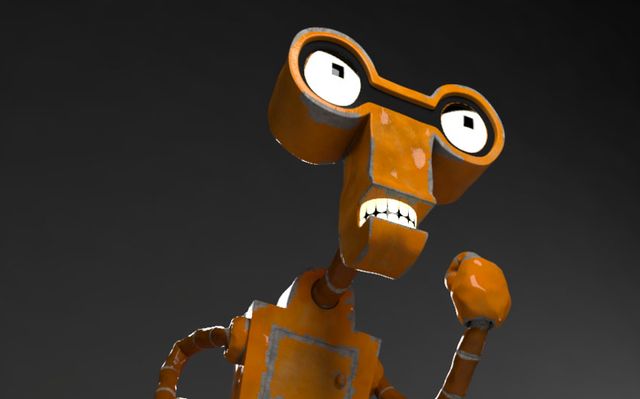
A team of researchers drove a robot insane, literally. On purpose. And their findings can shed light on the origins of schizophrenia.
# astrobiology
A new app that's supposed to teach aliens how to communicate with us seems to underestimate just how different aliens and their technology would be...

# tech
Computer science produces popular headlines about robots and gadgets. But its most complicated and meaningful questions aren't going to make it to pop sci publications...

# tech
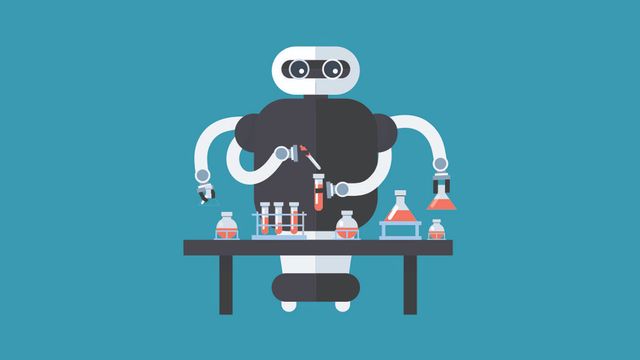
A computer just made a genuine scientific discovery. But it's creators are somewhat overselling it when they imply that it's an entity with a scientific mind.
# tech
Tech evangelists seem really worried about making friends with robots and forgetting that we can always override their programming.

# tech
Michio Kaku talks quantum computing at Big Think. It doesn't go well. It doesn't go well at all.

# tech
Philosopher Nick Bostrom is still barking up the same, fundamentally wrong tree of emergent super-intelligence.

# tech
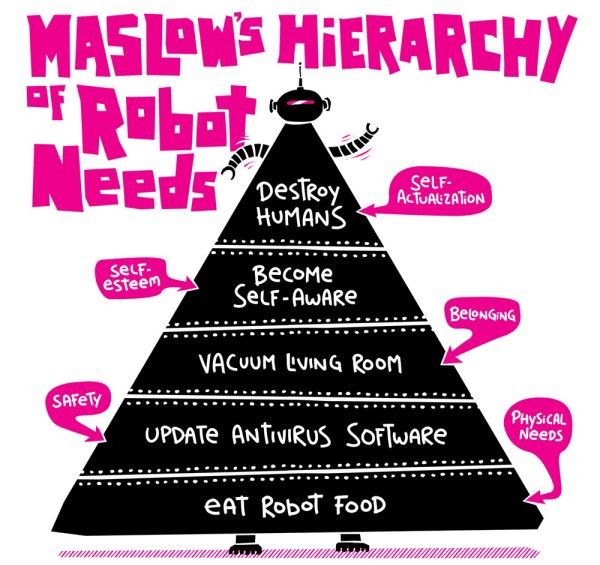
"Listen, sometimes I just get the urge to kill all humans. You know?"
# tech
There's a reason why we can see and understand things robots can't, and that reason might be a cluster of neurons known as V4.

# tech
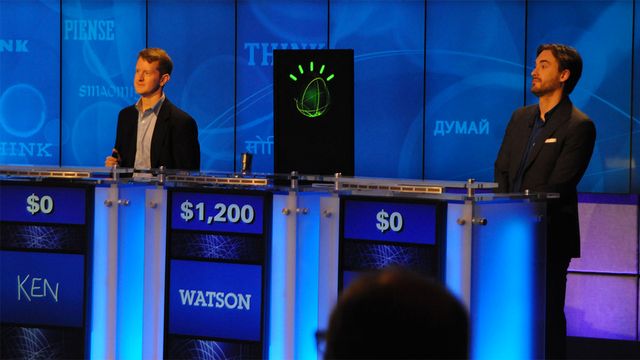
Watson can easily win a trivia contest, but it needs to play anyway to learn how to talk to humans.
# tech
No, the internet isn't about to gain sentience and become a globe-spanning hivemind.

# tech
The tech industry didn't suddenly start promising disruptive revolutions with every new gadget and app. It's been doing that since its first days.

# tech
The best way to make robots move may be to just let them figure out how to do it.

# tech
Singularitarian arguments for the seeming inevitability of artificial super-intelligent are little more than wild extrapolations of pop sci cliches.

# tech
DARPA wants machines that can look at video and not just see what's in the frame, but understand it.
