#exoplanets
# space
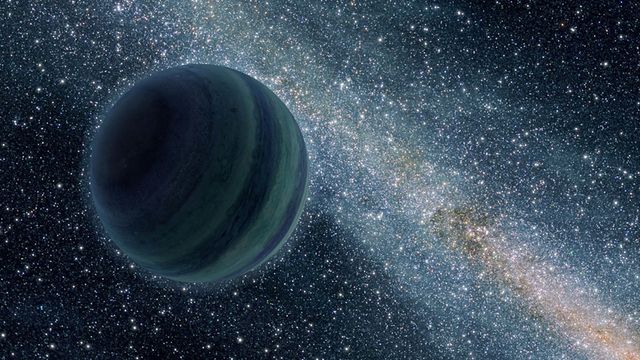
A citizen scientist caught two large planets slamming into each other. A team of astronomers then watched what happened over the next three years.
# space
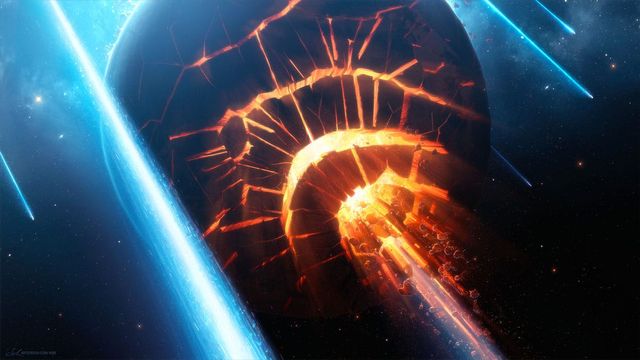
Looking for worlds around other stars shows us just how weird and unusual our planet really is in the grand scheme of things.
# space
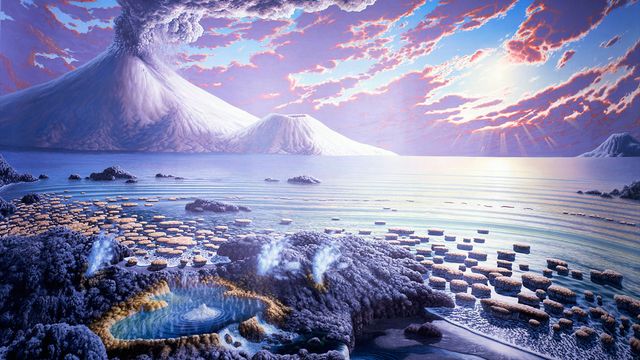
Water usually means life. But could too much water snuff out life before it has a chance to evolve?
# space
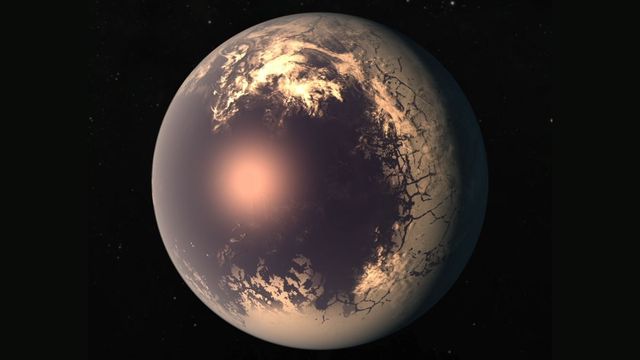
By now, you're probably used to hearing about potentially habitable worlds orbiting other stars. But that "potentially habitable" part may come with more caveats than you might think.
# space
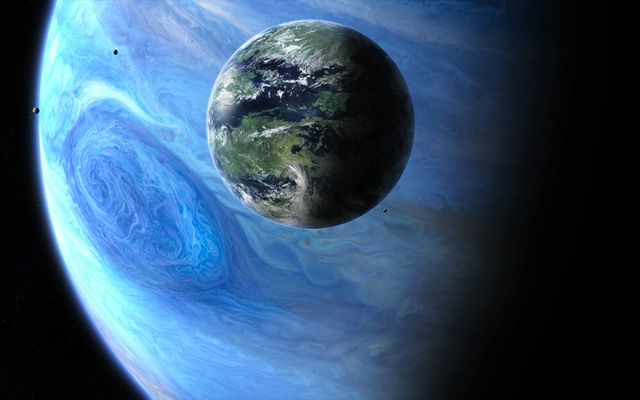
Super-Earths are often thought of as just bigger version of our own planet on steroids. But these worlds offer us amazing insights into everything from plate tectonics to planetary formation and classification.
# space
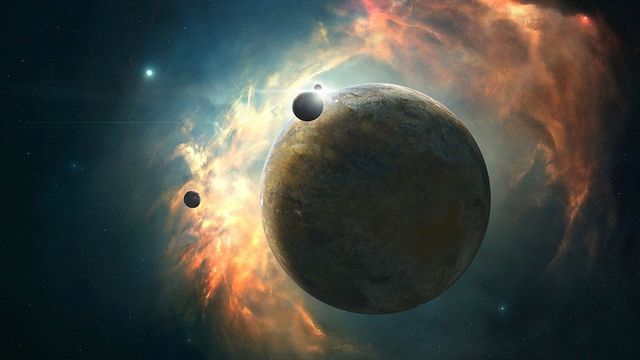
A nearby baby star has been discovered with a warped protoplanetary disk — a feature that may reveal the true nature of the solar system's planetary misalignments
# space
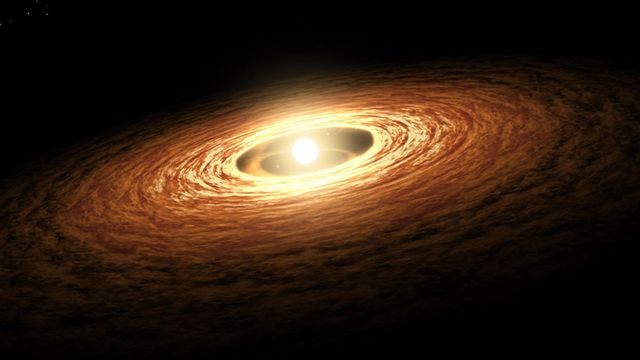
The first moon detected outside of our solar system may be a gas giant orbiting another gas giant and we're not sure how that happened. Unless it didn't start its life as a moon...
# space
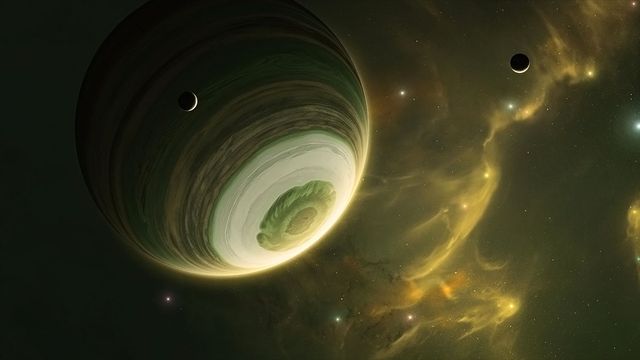
We typically think of Earth as an ideal world for habitability, but what we've discovered so far hints at us being an oddball.
# space
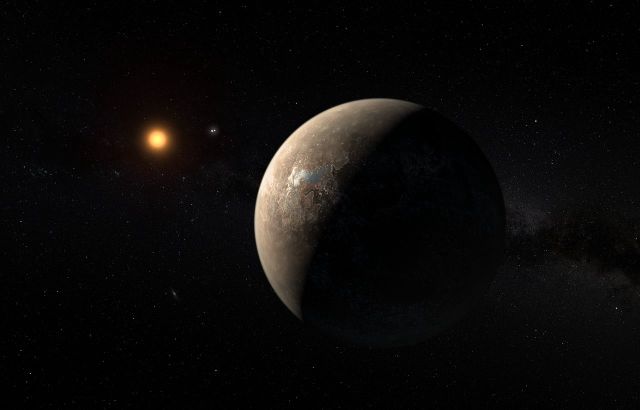
Our nearest stellar neighbor has a planet. Where do we go from here?
# astrobiology
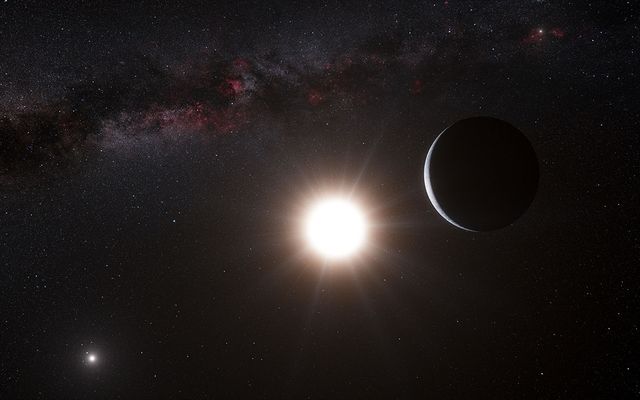
For all the excitement about this potentially habitable world, we still don't know much about it and its ability to host life.
# space
For decades, scientists thought that a habitable world needed a large moon to act like a rudder. That idea might not actually be true.
# space
Just like supermassive black holes, planets can bend light with their gravity. But do they bend it enough for us to detect them that way?
# space
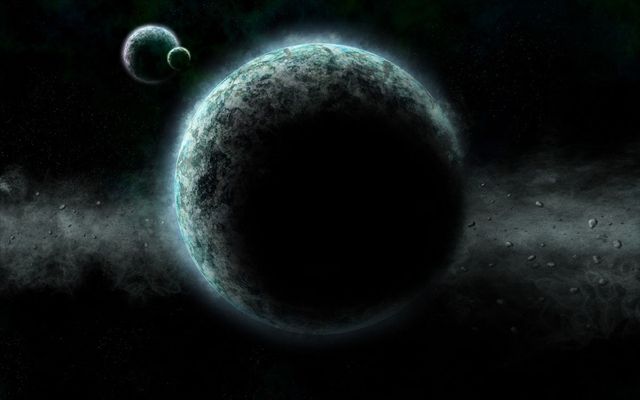
Kepler-22b is now of the our best candidates for extraterrestrial life. But there are a lot of questions left to answer about this planet.
# space
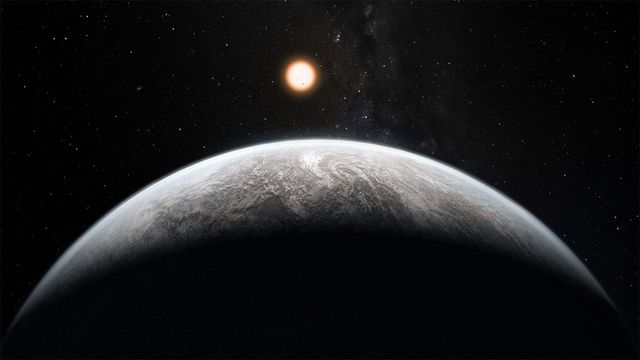
Gliese 581d, one of the exoplanets considered potential homes for alien creatures seems to show even more promise on further investigation.
# astrobiology
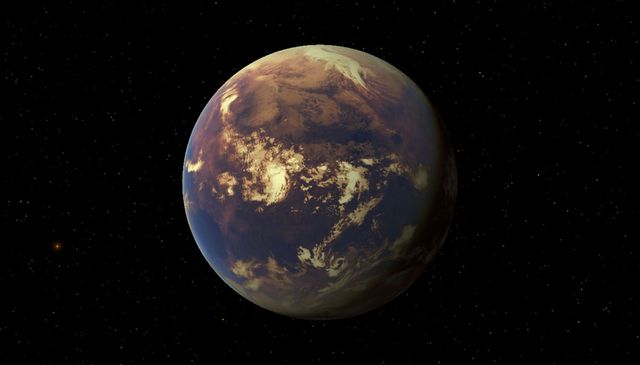
Just because a planet was ejected from its solar system doesn't mean its oceans can't stay liquid long enough to host some basic life.