#skeptics
# politics
Once the reigning champion of skepticism and rationality, Dawkins has become what he once ridiculed.

# longform
Organized skepticism was once covered in every major publication around the world. Why did it seemingly vanish overnight? And what damage did its implosion leave behind?

# politics
Skeptical groups were poised to bring science and critical thinking to the masses. They failed in their mission. But did they ever really have a chance to succeed?

# politics
Organized skepticism is all dressed up, but seems to have nowhere to go and isn't very interested in looking for new places it might want to visit.
# politics
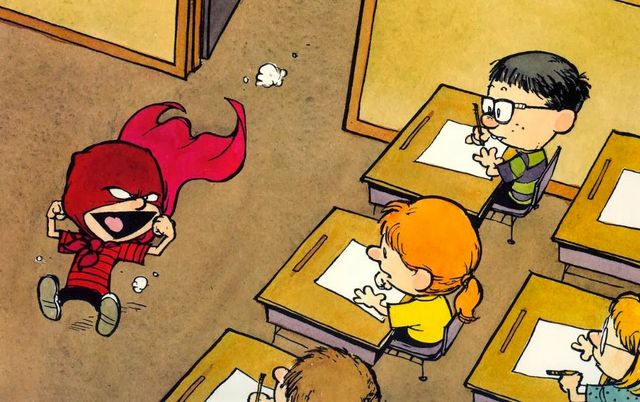
With trolls running people offline and blog feuds reaching a fever pitch, the skeptical blogosphere is spiraling out of control.
# education
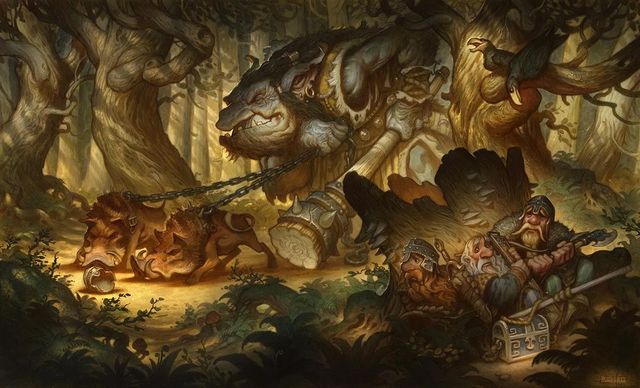
Tim Minchin's skeptical beat poem finally gets the animated treatment it deserves.

# politics
If skeptics are trying to win hearts and minds, they need to remember that teaching kids real science and critical thinking can't be sidelined.

# politics
Newly minted atheists are joining skeptical groups and those groups are not happy about it...

# science
Phil Plait urges skepticism in moderation and without harsh criticism. By using rather hard criticism of skeptics on the front lines.

# politics
Frank Swain's criticism of skeptical bloggers has some good notes, but largely misses the broader point of what skeptical blogging is all about.

# oddities
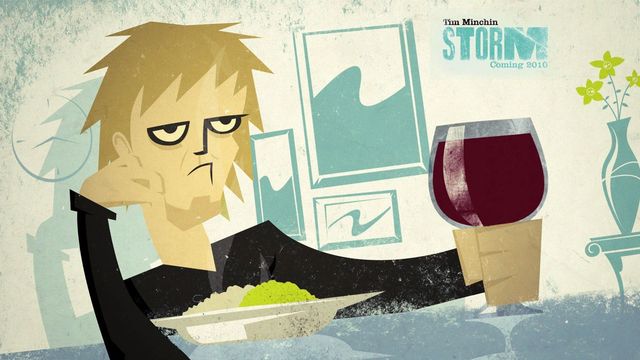
Tim Minchin's famous beat poem about a woo-ey dinner guest is getting made into a short film.
# science
Michael Fitzpatrick's bold new idea for combatting denialism and attacks on scientific fact: pretend denialists always argue in good faith and don't call them out on their denialism.

# education
Baba Brinkman comes up with a proper diss track for cranks, quacks, and snake oil salesmen.

# science
Today's cranks are more publicity savvy and sophisticated then ever, which is one of the biggest reasons not to hold back when confronting their nonsense.
# health
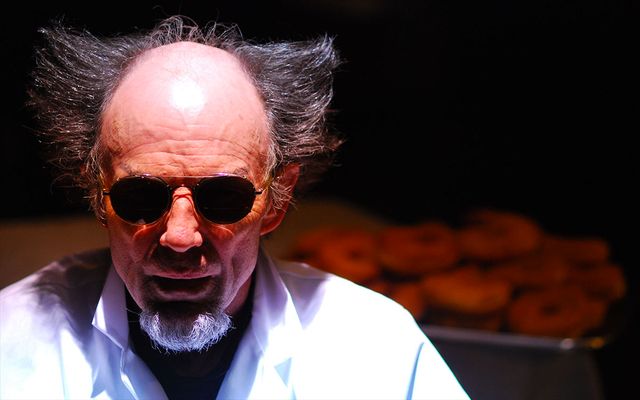
Mike Adams borrows the King of Woo's strategy of stringing a Gish Gallop of junk science to better sell his supplements and pamphlets.