are texting and social media really making us lonely and depressed?
Plenty of pundits have quipped that social media and constant texting made us lonelier, more bitter, and less empathetic. A set of new studies says they may actually have a point.


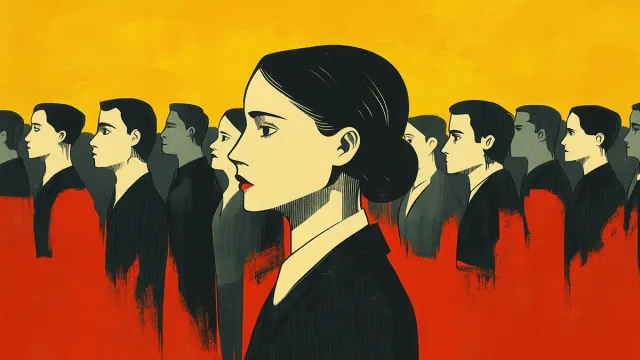
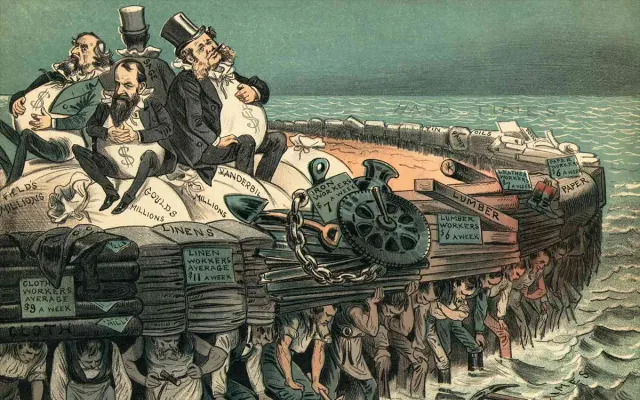
At this point, it's hard to argue with impassioned essays and monologues about how much more isolated, divided, and angry many Western societies have become over the past decade or so. Certainly, yawning fiscal and political inequalities, and obviously the current pandemic, all play their roles, but why we've suddenly retreated so far into our bubbles and report ever escalating levels of loneliness even before there was such a thing as COVID-19 can't be explained simply by partisan polarization and money woes. If anything, there's a feedback loop between empathy, mental health, and politics. The lonelier, angrier, and less empathetic we become, the more we lash out and divide ourselves.
Now, this is the part where politicians trying to play peacemaker tell us to start talking to each other while essayists ask if millennials' aversion to phone calls destroyed friendships, replete with enough nostalgia to merit a warning label. Being the cynical, sarcastic curmudgeons that we've become, our natural reaction is to dismiss these musings as empty platitudes, but science says that they may very well be on to something. While more and more of us prefer texting and social media posts to connect with friends, feeling that phone calls may be awkward and often unwanted, a new study shows that even a quick phone call makes us feel closer to others, less alone, and happier about our relationships.
It seems that the very act of talking to another person, not just typing to them, is what's really important since whether the study's subjects used video calls or just good, old fashioned audio didn't make much difference. Just the fact that they called did the trick. If we extrapolate these findings, we could even say that spending too much time in front of a computer and relying on chats and status updates to keep social bonds from fraying simply doesn't work. If anything, the more wired and online you are, the lonelier you tend to feel. Likewise, according to a follow up study on this subject, spending more and more time on social media triggers depression, even when you adjust for users' mental health and socioeconomic statuses.
Of course, this is not to say that texting or social media use are bad in and of themselves since texts can and do save a lot of time for brief communication and are useful in emergencies, while social media can provide valuable lifelines to impared people, and using it for a maximum of two hours per day doesn't seem to affect one's odds of developing depression. It's overuse that's the culprit. As we hear fewer friends' voices and spend time that could be used for hobbies or relaxation refreshing our timelines, we feel lonelier, more shut off, and more stressed when we compare ourselves to others' highlight reels, or get swept up in -- or outraged by -- fiery political causes exploding all over our feeds.
That said, however, rebuilding fractured or divided societies isn't just a case of making some phone calls and spending less time on social media. Economic uncertainty, wealth inequality, and demographic sorting created by politics and post-industrialism will still be major hurdles to mitigate. But the only way to start that process is by agreeing on a common reality and set of problems, and we can only do that if we talk to each other and at least feel like there's someone listening instead of just screaming into the digital void for stress relief or likes from our couches while Netflix asks if we're still there. If we fail to do that, we'll just be lonelier, angrier, and more frustrated, says the science.
See: Kumar, A., Epley, N. (2020). It's surprisingly nice to hear you: Misunderstanding the impact of communication media can lead to suboptimal choices of how to connect with others. Journal of Experimental Psychology, DOI: 10.1037/xge0000962
Primark, B. et al, (2017) Social Media Use and Perceived Social Isolation Among Young Adults in the U.S., American Journal of Preventive Medicine, DOI: 10.1016/j.amepre.2017.01.010
Primark, B., et al, (2020) Temporal Associations Between Social Media Use and Depression, American Journal of Preventive Medicine, DOI: 10.1016/j.amepre.2020.09.014