# science
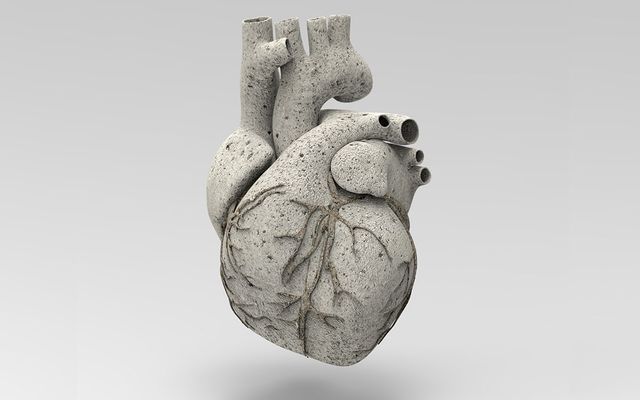
With the planet still heating up while politicians are either twiddling their thumbs or actively making things worse, prepare for conversations about climate change to have a very different tone.

# tech
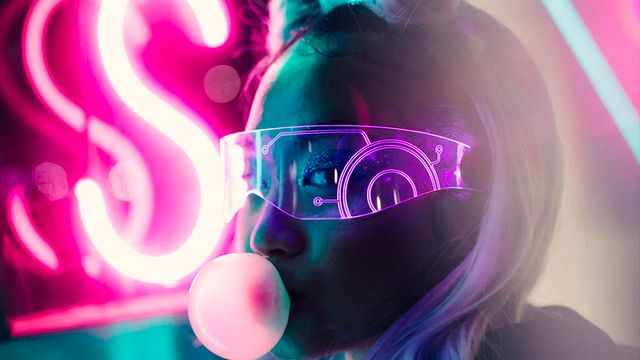
Elon Musk's startup is raising money to protect humanity from runaway adoption of artificial intelligence by merging our minds with machines. Here's how it could succeed.
# health
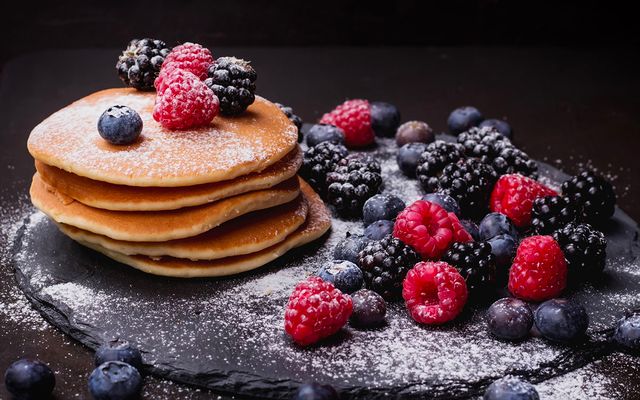
According to the news, a new study shows that skipping breakfast puts you at a much higher risk of cardiovascular disease. But in reality, that's not at all what the study says.
# tech
What's holding the tech giants back from addressing racists and bigots trying to overrun their platforms isn't the limits of their technology. It's fear.

# health
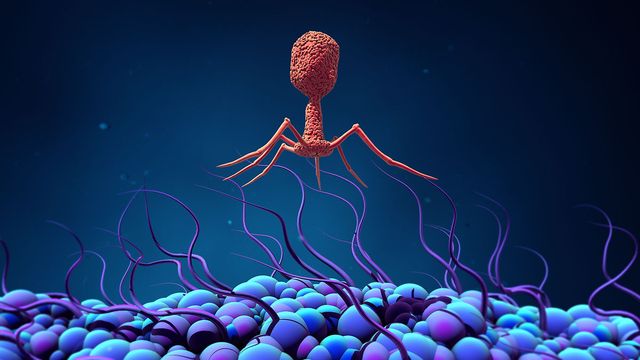
As the world braces for an onslaught of drug-resistant bacteria, we may be closing in on a new weapon against the worst, most persistent strains by domesticating their natural enemies.
# tech
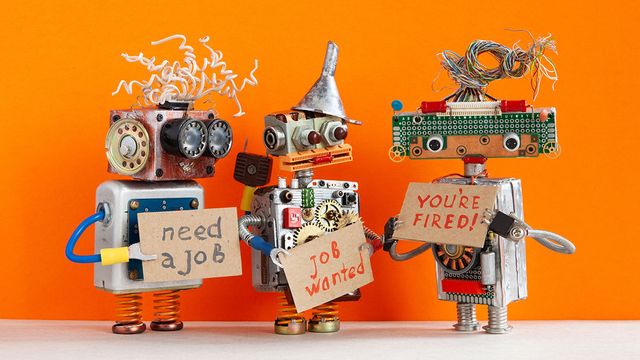
Robots are starting to keep tabs on and fire warehouse workers. And the day they'll be tracking all of us to evaluate our performance and make HR decisions is unsettlingly close.
# science
Poverty isn't just a socioeconomic state, it's also a state of mind. And when tasked with making important decisions on a shoestring budget, your brain will sabotage your wallet.

# oddities
According to an empirical study of the subject, if you're trying to avoid the mind control rays of sinister government agencies, a tinfoil hat is the worst choice you could make.

# tech
As more and more people become disillusioned with social media, a new breed of grifter blaming old human follies on technology is trying to cash in on their misery.
# longform
Rather than living large in the cities where they've come to rule, tech workers are finding themselves just as priced out as those who blame them for soaring costs of living…

# space
The Event Horizon Telescope's image of M87* is so good that theorists thought it was too good to be true.

# oddities
The Night King's army of the undead was an invincible foe in Westeros. But how well would his wights do against modern weapons, and could the defenders of Winterfell have replicated them?

# tech
When we talk about regulating artificial intelligence, we need to step back and ask ourselves a very important question. What are we regulating and why?
# politics
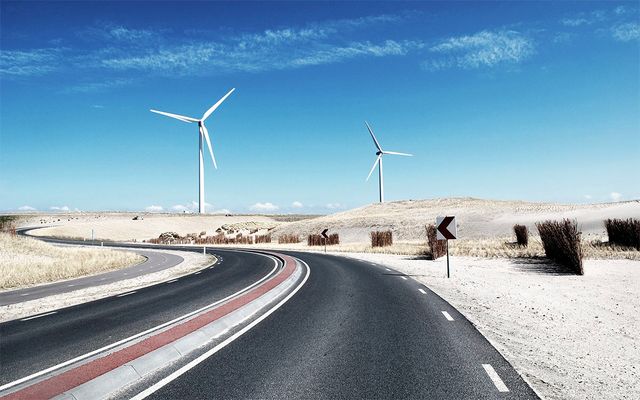
Republican voters may cherry pick the science of climate change, but they love green energy in their backyards. So why are the lawmakers they elect trying to kill it?
# health
A new breakthrough from Israel shows that while we still have a long way to go before we can 3D print organs on command, we're definitely headed in the right direction.