#artificial intelligence
# tech
The problem with John Searle's Chinese Room thought experiment is that its premise is woefully outdated in computer science terms.

# tech
A computer just made a genuine scientific discovery. But it's creators are somewhat overselling it when they imply that it's an entity with a scientific mind.
# tech
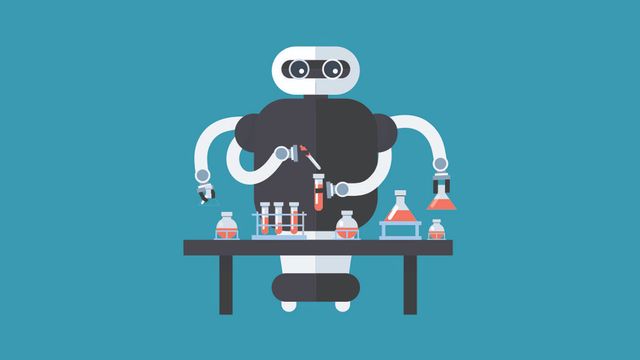
Tech evangelists seem really worried about making friends with robots and forgetting that we can always override their programming.

# tech
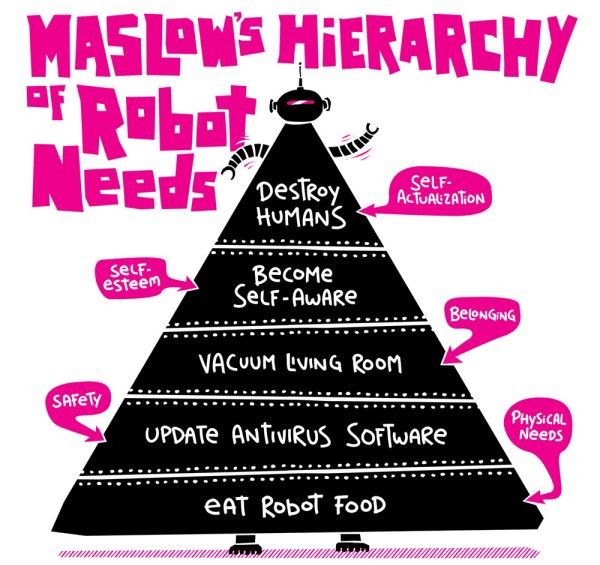
"Listen, sometimes I just get the urge to kill all humans. You know?"
# tech
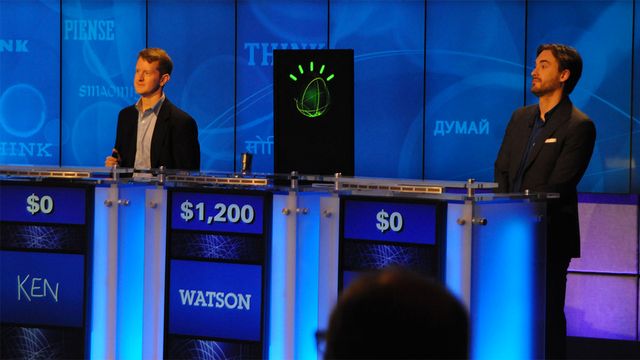
Watson can easily win a trivia contest, but it needs to play anyway to learn how to talk to humans.
# tech
No, the internet isn't about to gain sentience and become a globe-spanning hivemind.

# tech
The best way to make robots move may be to just let them figure out how to do it.

# tech
Singularitarian arguments for the seeming inevitability of artificial super-intelligent are little more than wild extrapolations of pop sci cliches.

# tech
DARPA wants machines that can look at video and not just see what's in the frame, but understand it.

# tech
Some recent AI papers suggest training robots like you would train intelligent animals. The question is why you would need to do that.

# tech
A lot of popular science writers who don't know how AI is developed are hyping a Skynet scenario. Don't believe them.

# tech
On the surface, a basic AI handily beat humans in a classification task. But if you look at the details, its victory wasn't exactly a clean one.
# astrobiology
The odds of downloading an evil alien artificial intelligence and enabling it to take over our machinery are pretty much zero to none.

# tech
The last thing we need is to try and turn social media into an artificial intelligence.
# tech
The robots who may assist us and take care of our basic needs in the future don't have to be humanoid to be useful. It may even be better if they're not.