#moon
# space
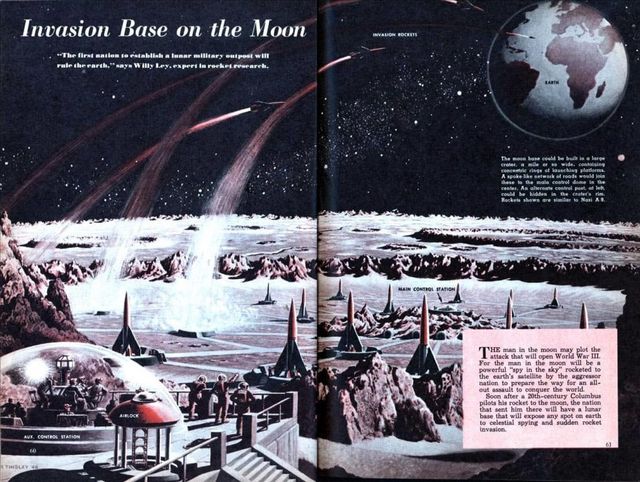
Before actually landing on the Moon, both the U.S. and USSR were planning to use our natural satellite primarily for war.
# space
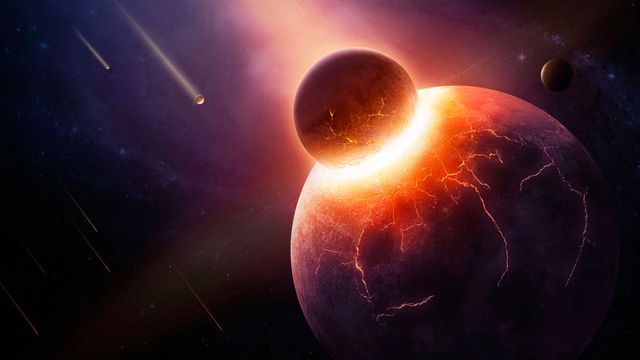
According to a new study, Earth's collision with a Mars-sized protoplanet 4.5 billion years ago didn't just create the Moon. It also gave us our oceans and helped life get started.
# space
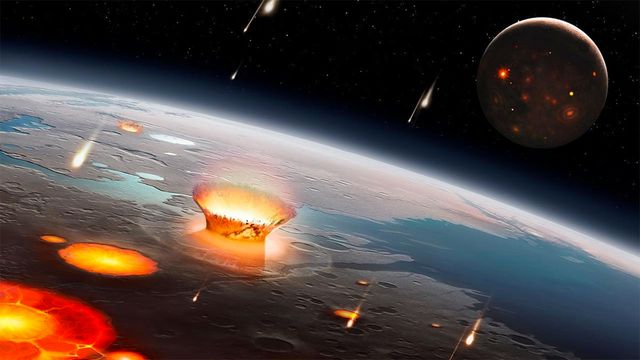
Scientists think they found a time capsule from Earth's earliest days buried just under the Moon's surface for the last 4.1 billion years.
# space
When not promising us cities on Triton in ten years, the media seems befuddled by and incredulous of the most conservative and realistic plans for space exploration.
# space
Are we looking at a repeat of the Space Race, this time against China?

# space
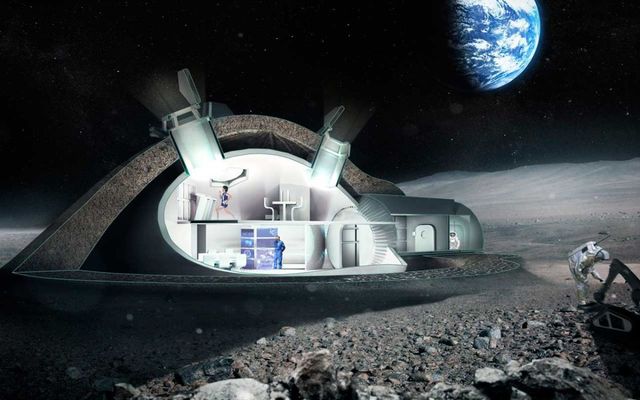
If we return to the Moon and decide to stay there, the Moon may offer us a few shortcuts in setting up a safe place to live.
# science
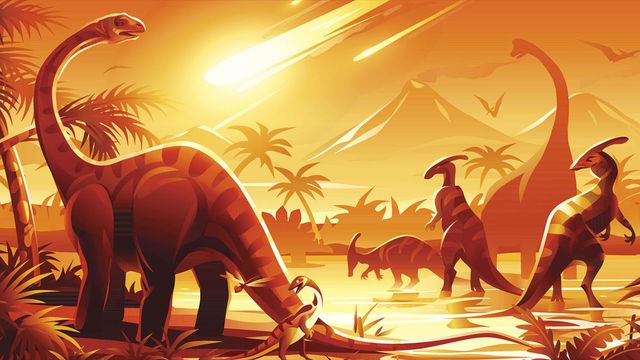
Can we recreate life on Earth after a mass extinction? And if we could, do we really want to?
# space
A new eye-catching proposal suggests that the Moon was spun off from Earth instead of being formed in the aftermath of a collision.
# astrobiology
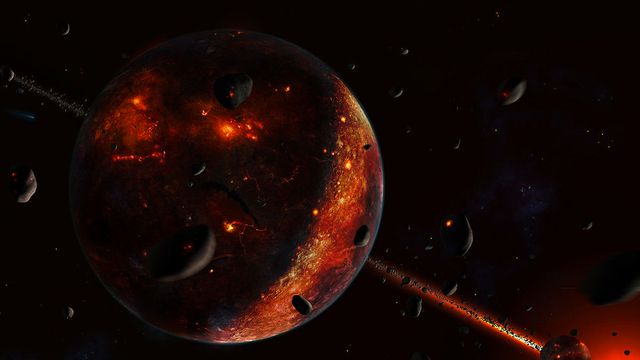
The outer solar system isn't just toxic gas giants and ice. It's full of bizarre oceans with the promise of life and alien chemistry that we didn't think was possible even a few years ago.
# space
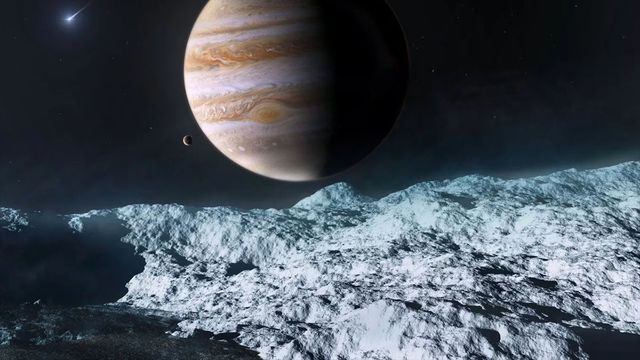
The Soviet Union wanted to detonate a nuclear warhead on the Moon as a show of force. But without an atmosphere and 238,900 miles away, what would that look like?
# space
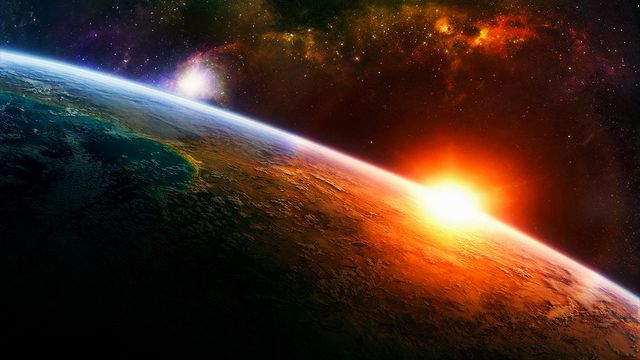
The coldest place in our solar system isn't somewhere in the outer reaches of the Oort Cloud. It's a network of craters on the Moon.
# space
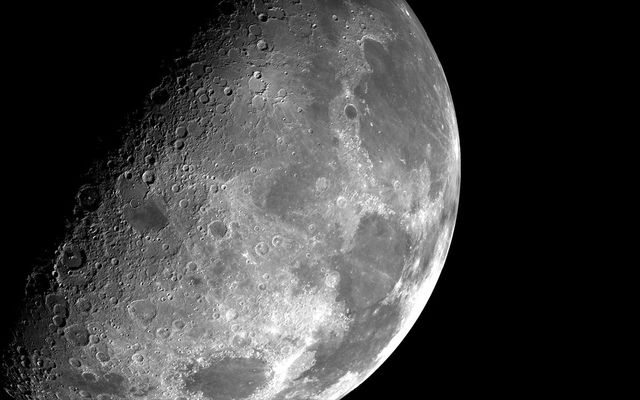
If we're expecting tourists to visit the Moon, should we figure out how to protect Apollo landing sites from souvenir hunters and historical artifact collectors?
# space
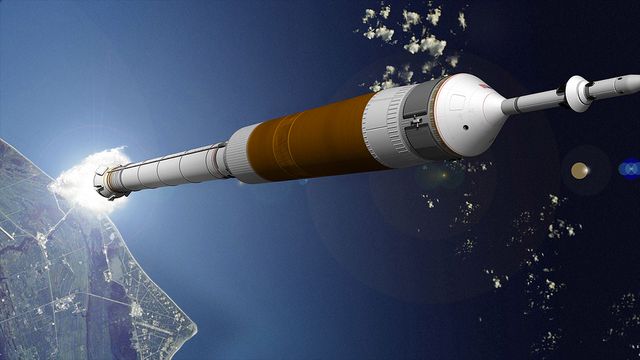
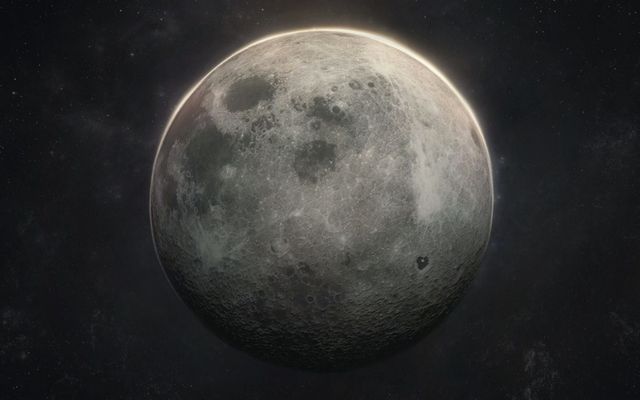
Current plans for our return to the Moon seem a little too vague to be successful.
# space
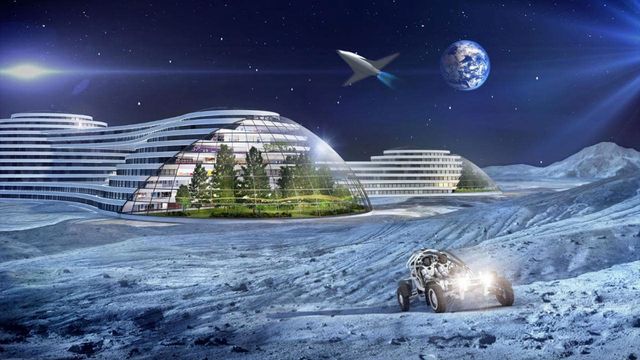
NASA is trying to replay history at the cost of keeping its launch systems and exploration programs stagnant.