#neurology
# tech
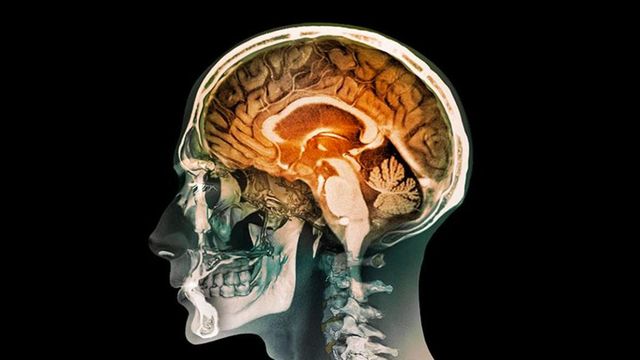
Scientists are fusing biology and electronics in new and promising ways.
# science
A new study tries to compare our memories with a common data structure.
# science
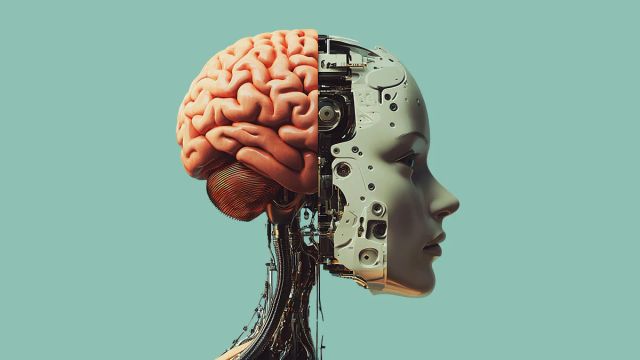
One of the biggest questions about the human mind is how it creates consciousness. We may finally have an answer.
# tech
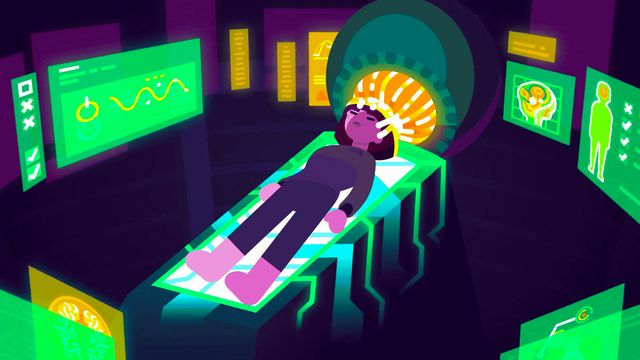
Turns out artificial intelligence needs a nap every once in a while to stay accurate, and that may tell us something fundamental about our own minds.
# science
Far too many of us tend to accept the idea that smartphones are addictive and actively ruining the brains of heavy users. But studies into the idea find little to prove this notion.

# science
Far from being a high precision for computing your way through life, brains are messy and function more on recognition and guesswork, and understanding that is important for the future of medicine.
# tech
North Korea's computer-based insult towards South Korea's head of state was supposed to be meaningless but offensive nonsense. Too bad pop sci writers took the bait and tried to explain it anyway.
# science
The quest to create an accurate simulation of the brain continues. But what will be this project's most realistic outcome?
# tech
Machine vision still has a long way to go before it can do something as simple as identify objects at a slight angle.
# evolution
Both brains and microchips try to find the most efficient way to conduct electrical signals. And that has a profound effect on how brains grow and evolve.
# science
Famed physicist Roger Penrose and an Arizona doctor are claiming that our brains are quantum computer in a white paper that will surely be seized by the woo faithful as proof of "quantum consciousness."
# science
A study of brain cancer patients in Italy shows the neural epicenters of spiritual experiences and religious belief.
# science
WeCU Technologies thinks it can read the minds of would-be terrorists , and they want to test their approach at airports. Unfortunately, their approach is unlikely to work.

# tech
A biologist tried to give a neuroscience lesson to the utopian futurists at H+ and they did not take it well.
# science
If you ask Raymond Tallis, he will start off some very valid critiques about the use of functional MRI to map the brain, and end up regurgitating creationist talking points.