#neuroscience
# science
Yes, we run mostly on autopilot. We more or less have to.

# science
How we can tell what is the the real life and what is just a fantasy? And what does it say about our evolution and potential?
# science
New research shows that far from challenging computers when we think, we seem to operate at a much slower pace than scientists expected.
# health
How could you possibly be tired sitting behind a computer all day? Because as it so turns out, your brain can chemically fry itself if you overthink.

# tech
New technology allows computers and fMRI machines to decode what you're thinking as a stream of text. It sounds creepy, but it could save lives.
# science
Some researchers are wondering if our conscious minds may spread outside of our bodies and think a study of spiders in their webs could prove their hunch.
# tech
Elon Musk's startup is raising money to protect humanity from runaway adoption of artificial intelligence by merging our minds with machines. Here's how it could succeed.
# science
Far from being a high precision for computing your way through life, brains are messy and function more on recognition and guesswork, and understanding that is important for the future of medicine.
# science
A modern twist on a classic experiment shows how we mentally disassociate from ourselves when carrying out orders.

# science
A new study showing that your through patterns are unique enough to be seen on a brain scan is being misinterpreted as a test run of an IQ detector.
# tech
Tracking what's happening inside a biological system on a computer is not the same thing as recreating that system.
# tech
A dive into the limitations of using an artificial neural network to reanimate yourself inside a computer.
# science
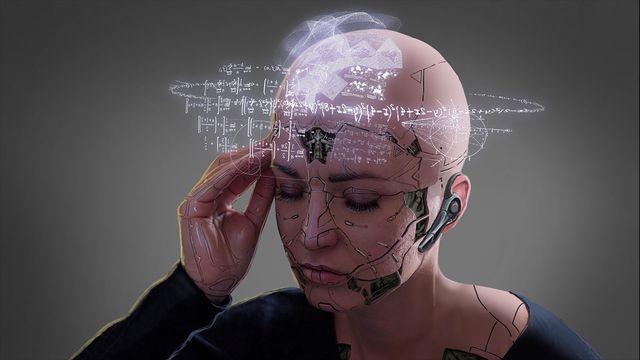
Raymond Tallis has a list of scathing criticisms aimed at physics and neurology. It would sure help his points if he knew what he was talking about...
# tech
Kurzweil is starting to appreciate that he's been oversimplifying how the human brain works. But his latest iteration of a theory of mind still leaves much to be desired.
# science
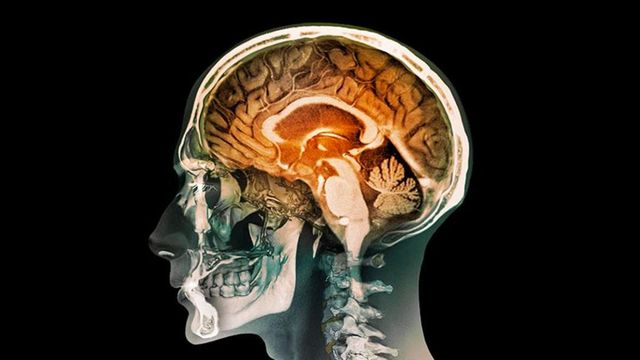
Scientists found a way to temporary induce psychopathy in text subjects, and that has some mulling the darker applications of this technology.