#planetary science
# astrobiology
Science fiction likes to show us aliens that explore the galaxy with ease. But the reality may for intelligent life on other worlds may be very different.
# space
A citizen scientist caught two large planets slamming into each other. A team of astronomers then watched what happened over the next three years.
# space
Hydrogen and helium are the most common elements in the universe. And they might just make large planets warm enough for life.
# space
Gas giants orbiting their parent stars just keep getting weirder and weirder.
# space
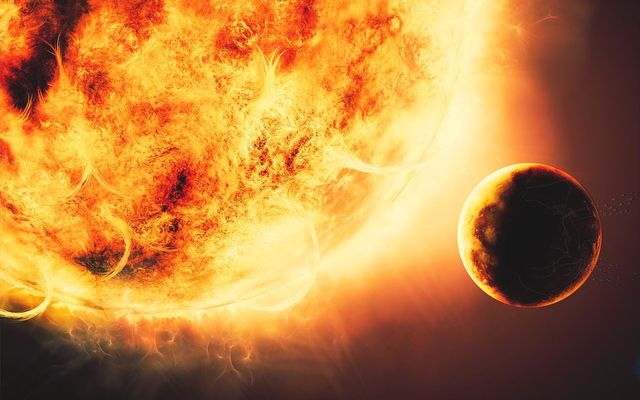
It turns out there is life after stellar death. Say hello to zombie worlds, undead planets orbiting the most extreme objects in the universe.
# space
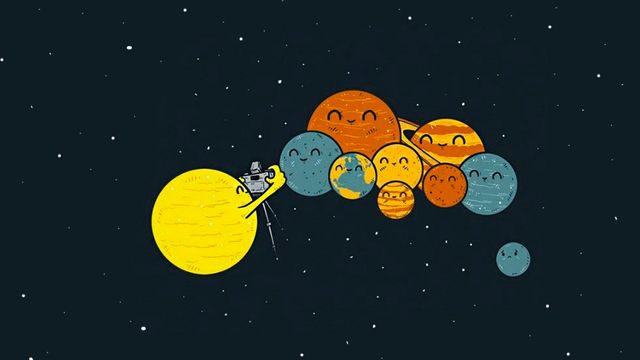
A group of scientists want Pluto to be considered a planet again, even if hundreds of other objects earn the same rank.
# space
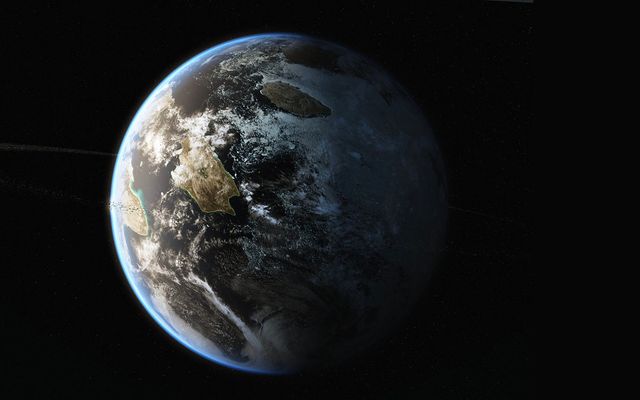
A new study shows just how little we know about why Venus became the hothouse world it is today.
# space
Considering what we know about planetary formation, Jupiter shouldn't have been able to grow as massive in its current orbit. But a new simulation shows it could've been born much, much further away.
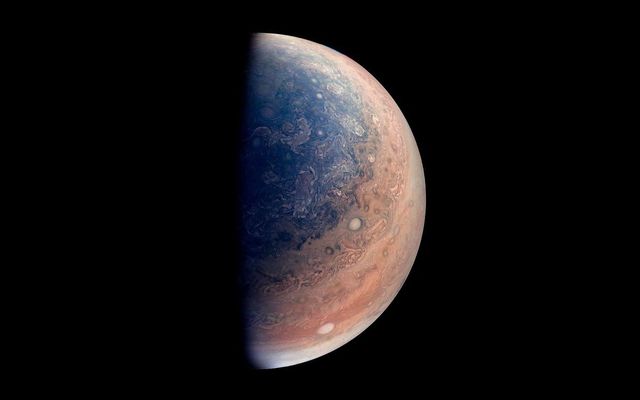
# space
Scientists think they found a time capsule from Earth's earliest days buried just under the Moon's surface for the last 4.1 billion years.
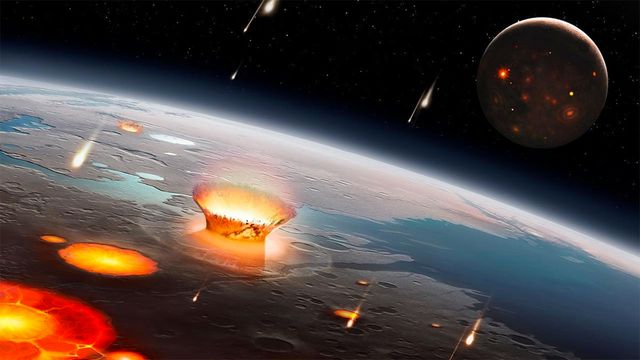
# space
A tiny, roughly kilometer sized rock might not seem like much of a discovery, but it's an important confirmation of our models of planetary formation and solar system evolution.
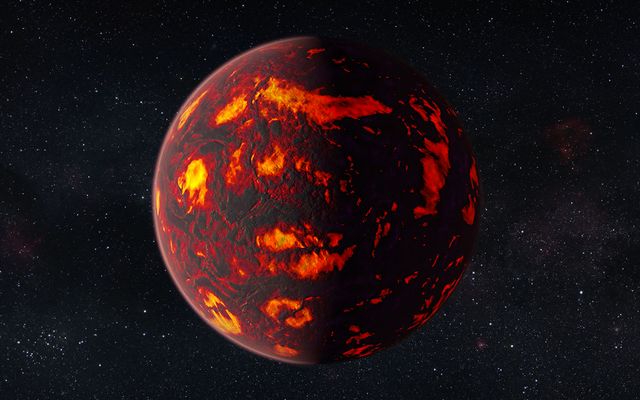
# space
A binary system observed by ALMA isn't wonky, it's the first example of an anomaly we only thought was possible until we saw it with our own eyes: a polar protoplanetary disk.
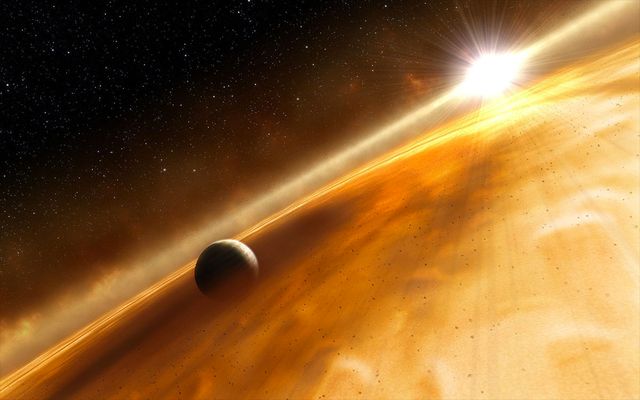
# astrobiology
New models trying to infer the geology of potentially habitable moons orbiting Jupiter and Saturn hint at surprisingly cool, geologically inactive worlds, the opposite of what a diverse alien ecosystem would need.
# space
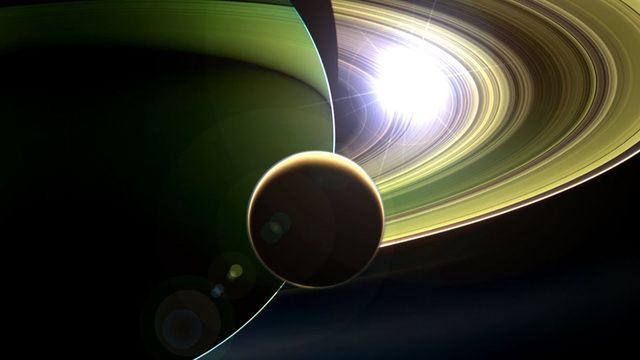
A nearby baby star has been discovered with a warped protoplanetary disk — a feature that may reveal the true nature of the solar system's planetary misalignments
# space
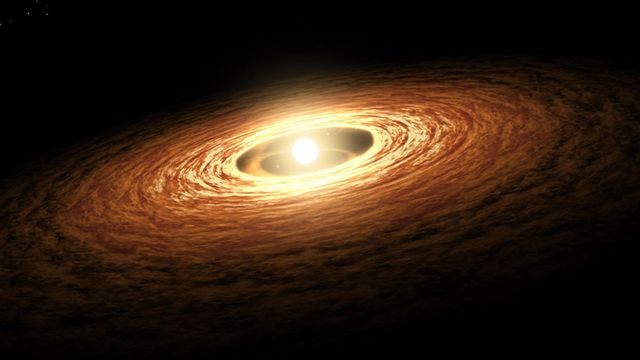
A massive collision seems to be the only plausible reason why Uranus is the oddball it is, and now we have an idea of what it might have looked like. So what do we do with this data?
# space
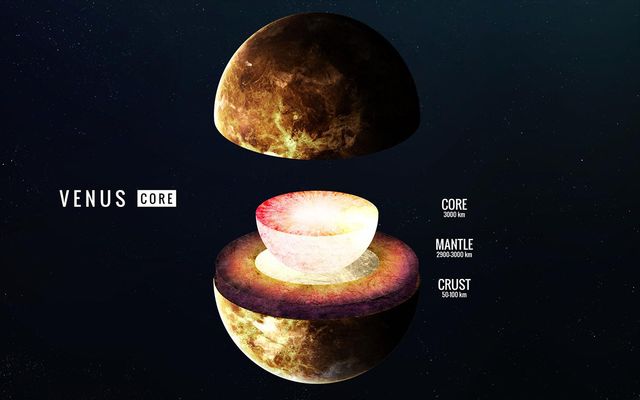
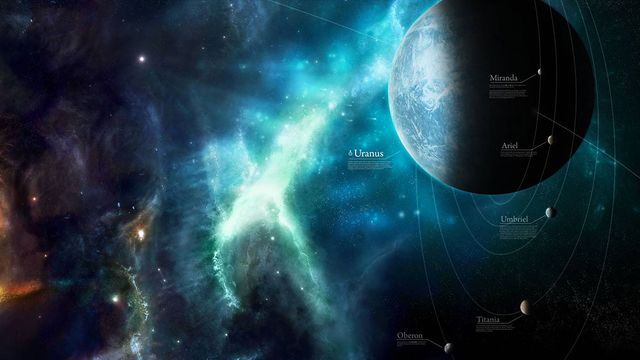
How do we know what the insides of Venus or Jupiter look like? The short answer is that we don't. The longer answer is that we make a fairly accurately guess.