#tech
# tech
One of the biggest limitations on the computing power of our spacecraft is shielding them from radiation.

# tech
Technophobes are confusing normal neuroplasticity and poor impulse control for black technological magic.

# tech
There's a fine line between being an expert trying to simplify a complex topic and an arrogant snob lecturing down to your audience. TED's all-stars are starting to cross that line.

# tech
Advanced prosthetics are making an appearance at the Olympics and showing how inhuman form can restore human function.

# tech
A popular philosophical objection to life extension is that it would allow terrible people to live longer. The problem is that there will always be terrible people.
# tech
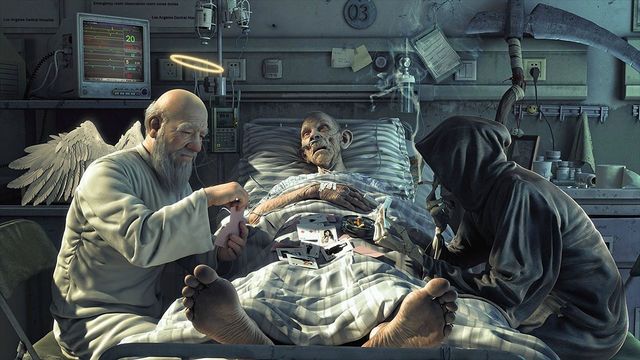
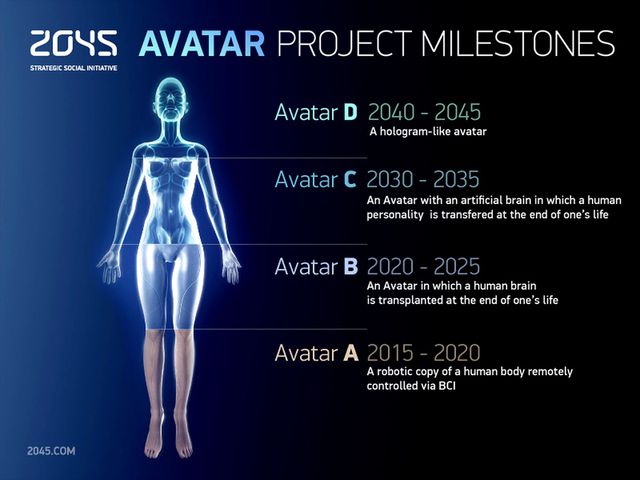
People are trying to scan their brains into computers neuron by neuron to continue life as machines.
# tech
Xanadu was the ultimate nightmare project for any programmer. And we're lucky it was never completed, much less lived up to its lofty goals.

# tech
First, Congress was telling engineers how to build their rockets. Now it's telling programmers how to write their software.
# tech
If you're going to network thousands of important devices together, make sure your network is actually secure.
# tech
Command economies haven't worked with people. Now, some groups want to try it with machines.

# tech
There's a cottage industry of techno-utopians out to convince us that their wildest computer-based dreams are right around the corner.

# tech
Yes, cyber warfare is real. No, the next attack won't plunge us back into the Stone Age.

# tech
Just because you have antivirus doesn't mean your computer is now invulnerable. Far from it in fact.

# tech
The flip side of technophobia and lamentations about the dehumanizing effect of gadgets? Trying to force everyone to code and insisting it's a vital skill, like literacy.
# tech
Cyber espionage is a lot more effective than an all out attack. So why are we being told to brace for the latter rather than deal with the former?
