#tech
# tech
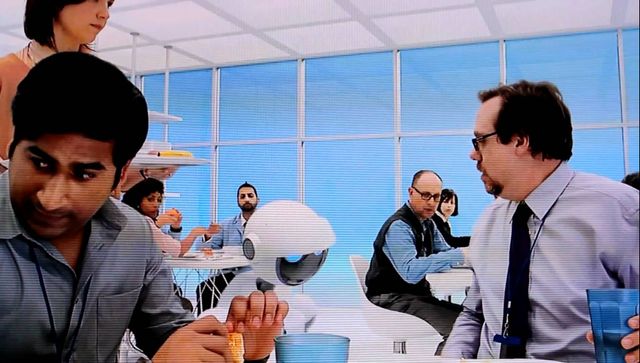
Intel gives us a humorous peek at a surprisingly plausible future of robotics with its "Lunch Room" ad.
# tech
The Daily Galaxy takes up preaching the gospel of the Singularity to its fans while dodging the sketchy history and problematic future of the concept.
# tech
In order to make their cinematic universe work, the creators of The Matrix had to make their robots invulnerable. In reality, they wouldn't have won the war against humans.

# tech
China wants its citizens connected to the internet. Just not the kind of internet where their daily propaganda blitz could be questioned with the click of a mouse...

# tech
Defining and measuring intelligence is very difficult. It will be even more difficult if that intelligence is artificial.
# tech
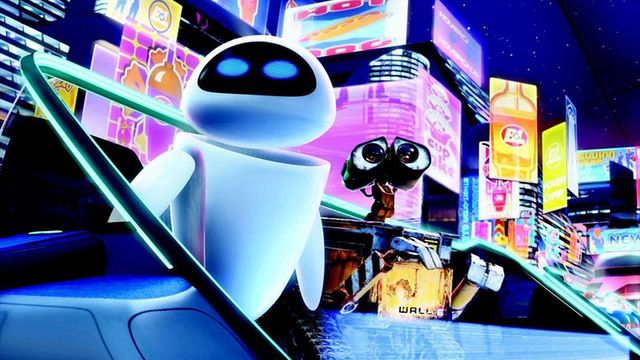
Turns out, insects have basic forms of intelligence and the path to thinking robots may be through emulating how their tiny minds work.

# tech
A biologist tried to give a neuroscience lesson to the utopian futurists at H+ and they did not take it well.

# tech
In another major step for brain-machine interfaces, a stroke victim can speak using a computer with amazing accuracy.
# tech
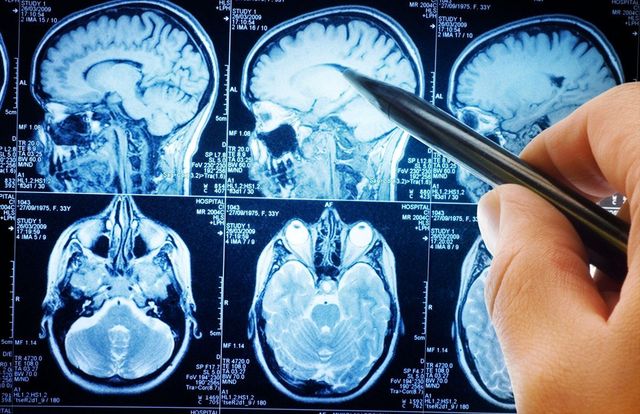
A look at all the top stats of 2009 on the last day of the year.
# tech
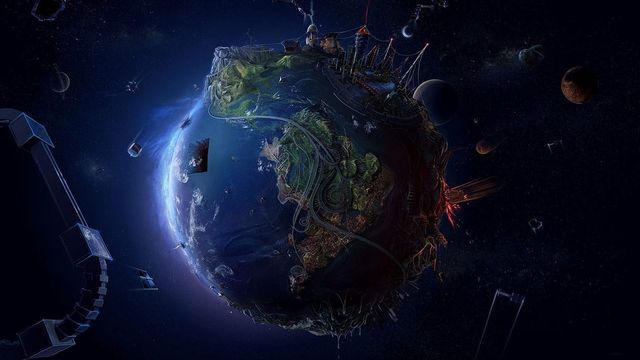
Another year comes to close at Weird Things and what a year it was...

# tech
The team behind Duke Nukem Forever failed to learn the most important lesson of any creative and engineering field: at some point you have to stop designing and building the thing.

# tech
Researchers are scanning extremely thin slices of human brains to build up the most detailed map of our minds ever created. And that map may have some weird implications.

# tech
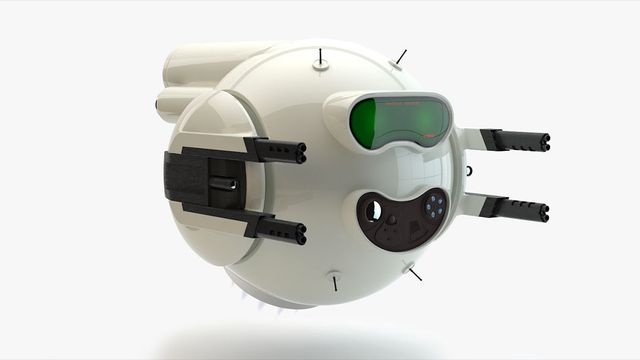
Far be it from me to offer design advice to giant killer robot builders, but that's exactly what I'm going to do.

# tech
If we want to guide out future and find our places in it, we need to take risks and dream big. Otherwise, we're doomed to decades of mediocrity.

# tech
While Singularitarians are focused on creating a friendly AI, the first real world artificial intelligence systems are likely to be as unfriendly as possible by design...