#tech
# tech
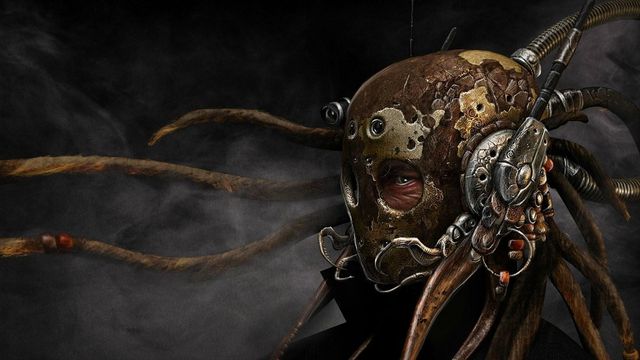
Cyborg technology is making huge strides, but it won't make us superhuman. At least not yet...

# tech
The idea that simulating a brain in a computer will yield an intelligent being has become an unshakeable belief amongst Singularitarians.
# tech
Before you let IBM sell you a computer to help lead your company, consider the downsides of outsourcing your strategy to a machine learning algorithm.

# tech
Two IBM project leaders are arguing about the results of the Blue Matter experiments. The critics seem to have the upper hand, scientifically speaking.

# tech
Researchers at IBM seem to believe that simulating the background activity of the brain will create a conscious, self-aware mind.
# tech
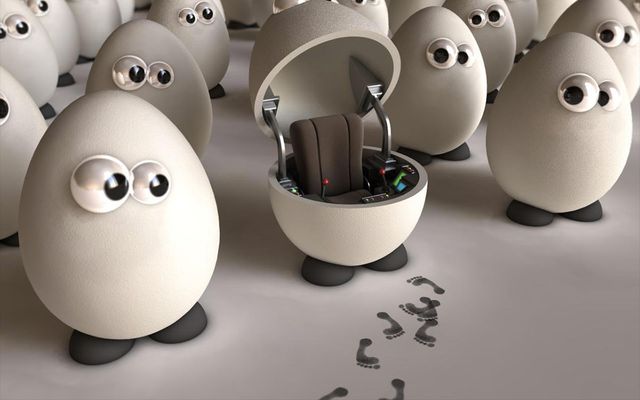
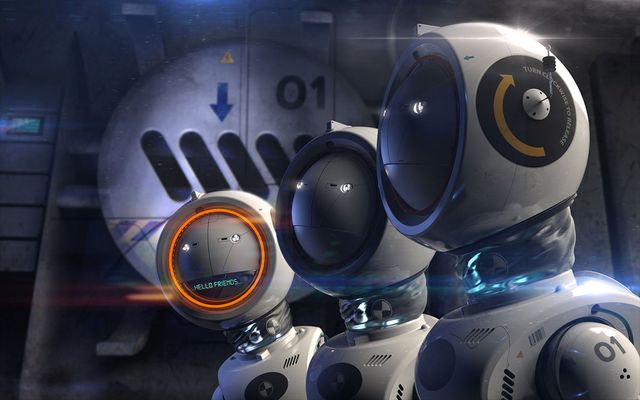
Robots are a critical component of space exploration. But they're just that, a component.
# tech
Transhumanists preaching the Gospel of the Singularity are right that we don't have to let nature dictate our future. But their absolute faith in utopian technology that hasn't yet been invented is misplaced.
# tech
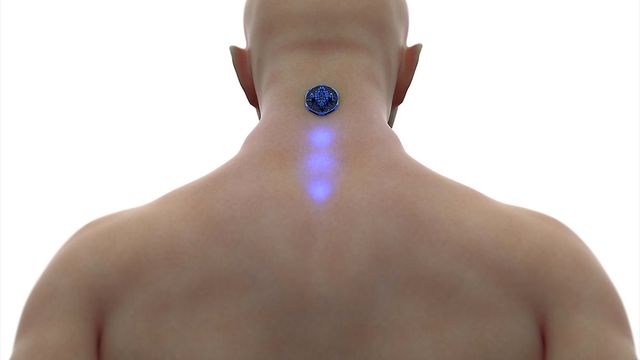
A popular criticism of radical life extension is that society and life cycles would break down. But that's not what happens in organisms whose lives we dramatically increased in the lab.

# tech
To Ray Kurzweil and his adherents, the "exponential curve of technology" is an immutable law of nature. But does it actually exist in the real world?

# tech
Some engineers are convinced that neurons work the same way as circuits. Neuroscience begs to differ.
# tech
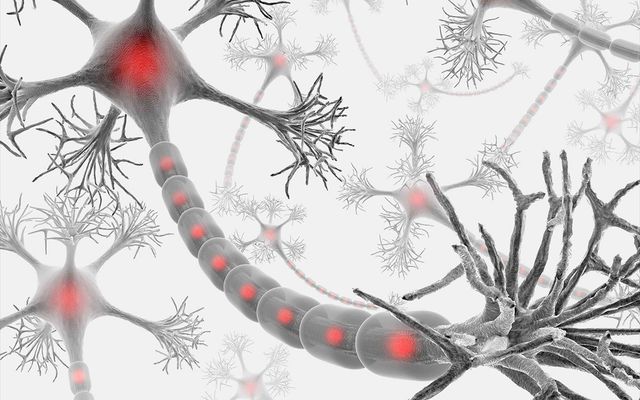
For Ray Kurzweil and his disciples, the "exponential curve of technological advancement" is the way, the light, and the cure for all that ails us...
# tech
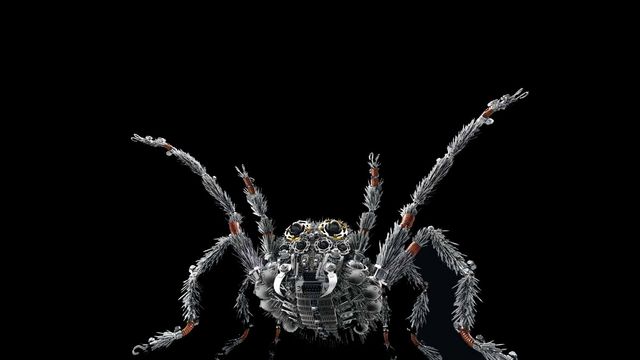
Computers might be able to record your every aspect of your life, but do you really want them to?
# tech
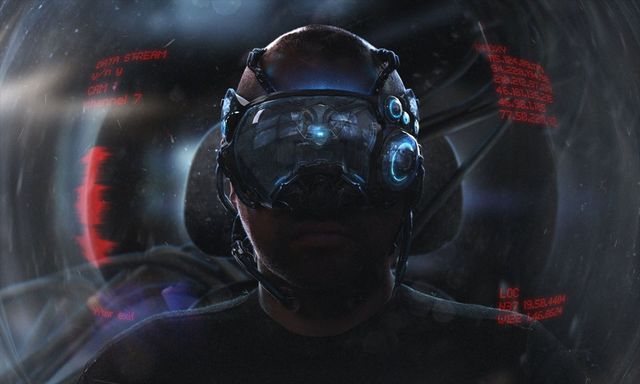
Electric cars and the natural next step in the evolution of transport. But they have some hurdles to clear before becoming truly widespread.

# tech
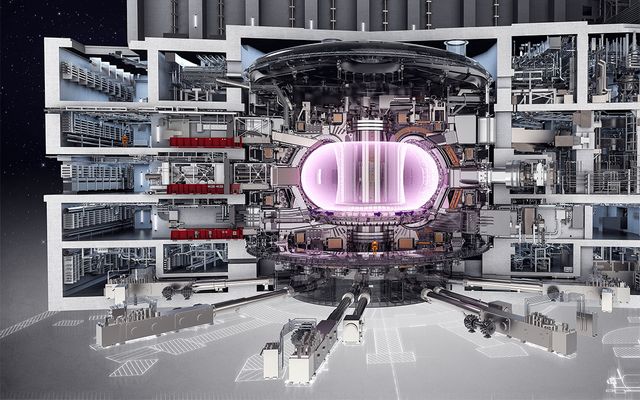
Fusion simply has far too much promise not to keep pursing, even if the progress seems slow right now.
# tech
When you're promised eternal life as a hyper-intelligent machine, it's hard to not check out its confabs.