#astrophysics
# space
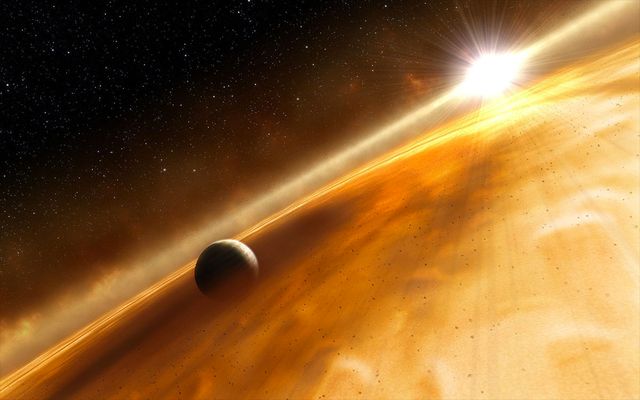
What would really happen to Earth if we put the universe's most massive black hole on our stellar doorstep as a viral graphic imagines?
# science
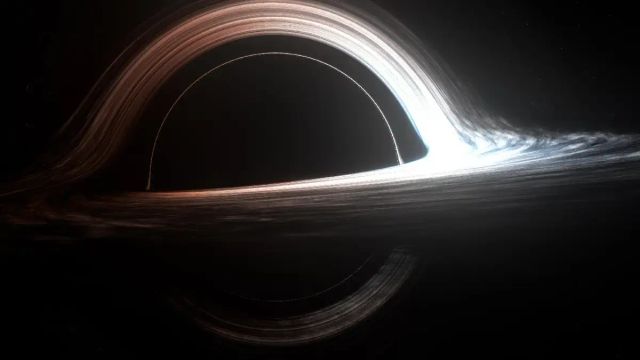
If you believe popular science headlines, our cosmos could unravel at any instant. It's very unlikely, but the idea's core questions are still worth asking.

# space
New data from the James Webb Space Telescope says that we'll need to rethink our model of the universe, and scientists are very excited.
# space
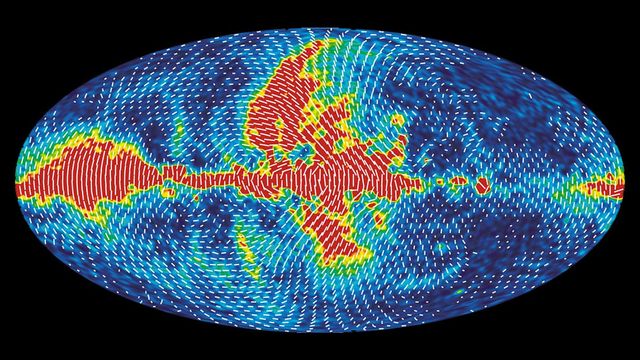
Imagine stars millions of times larger than the Sun powered by black holes. It sounds too bizarre to be true, but scientists think they may be responsible for today's universe.
# space
Some of the largest galaxies in the cosmos aren't creating new stars. Now scientists finally think they know why.

# science
No, we didn't create a microscopic warp bubble. But we may be getting closer and closer to actually doing it.
# space
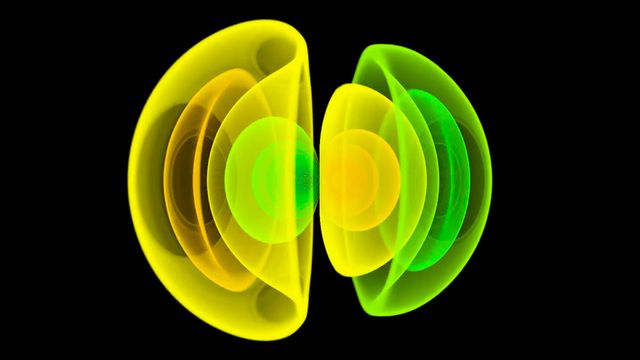
When stars get too close to each other the encounters can end in cannibalism, massive explosions, and even parasitic infestations.
# space
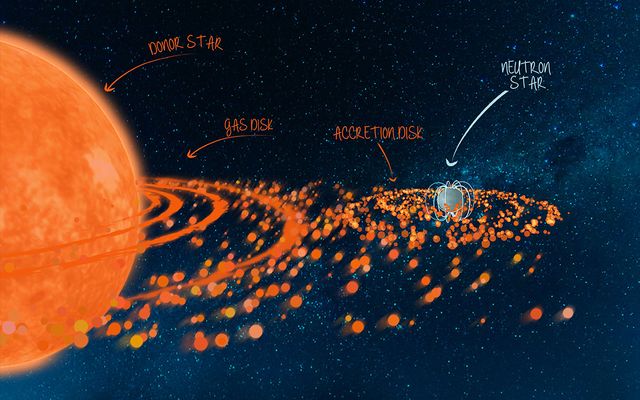
Neutron stars' thunder is usually stolen by black holes, but these bizarre objects living on the edge of physics create plenty of fascinating phenomena all on their own.
# space
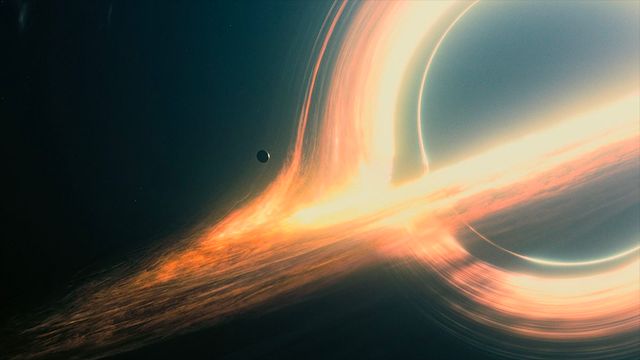
We know that black holes are bizarre. We know they exist. We even have a picture of one. But what exactly are they?
# science
For the first time, an AI was trained how to simulate a universe 600 million light years across. Does how fast it was able to do it and how well it understood its task tell us something profound about the cosmos?
# space
The late physicist Stephen Hawking predicted that black holes evaporate as its massive tidal forces interfere with quantum particles. Now, experiments are starting to confirm his predictions.
# space
The Event Horizon Telescope's image of M87* is so good that theorists thought it was too good to be true.
# space
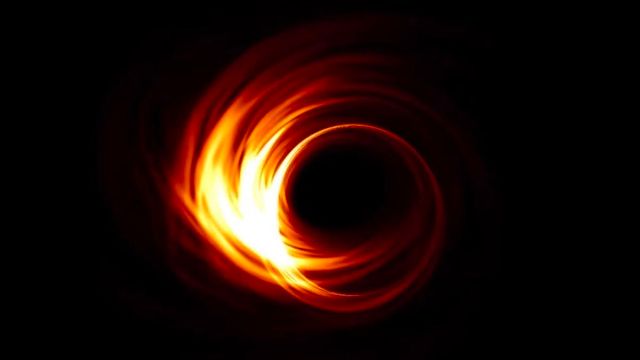
Are two galaxies which seem to lack dark matter proof that dark matter must be a particle rather than a quirk of gravity at cosmic scales. Well, it's actually kind of complicated...
# space
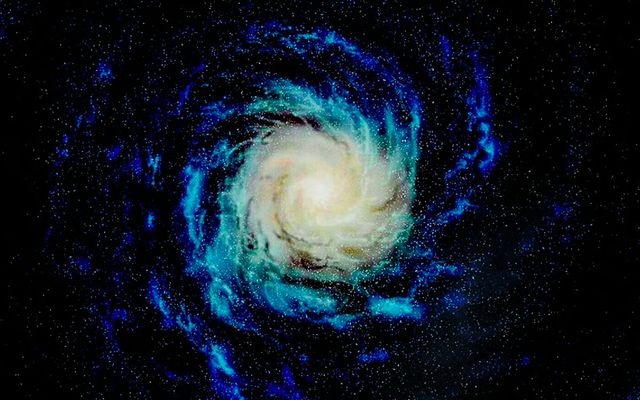
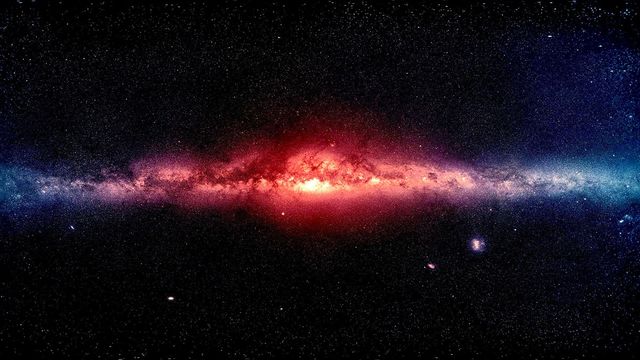
If you imagine galaxies as tranquil clouds of gas and dust, lit up by billions of pinpoints of light, a 3D map of the Milky Way and the details behind it will show you otherwise.
# space
A binary system observed by ALMA isn't wonky, it's the first example of an anomaly we only thought was possible until we saw it with our own eyes: a polar protoplanetary disk.