#brain
# science
Yes, we run mostly on autopilot. We more or less have to.

# tech
Scientists are fusing biology and electronics in new and promising ways.
# science
A new study tries to compare our memories with a common data structure.
# science
How we can tell what is the the real life and what is just a fantasy? And what does it say about our evolution and potential?
# science
New research shows that far from challenging computers when we think, we seem to operate at a much slower pace than scientists expected.
# health
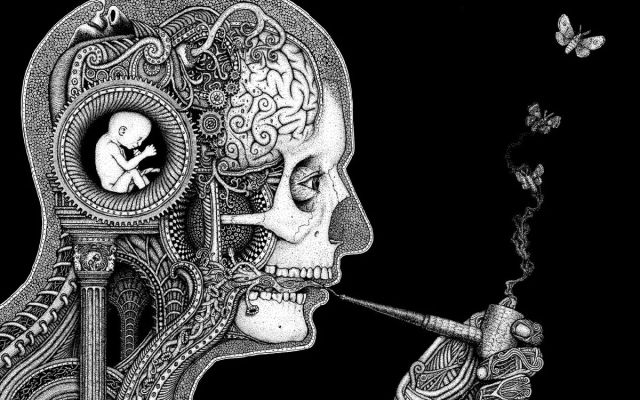
How could you possibly be tired sitting behind a computer all day? Because as it so turns out, your brain can chemically fry itself if you overthink.

# science
One of the biggest questions about the human mind is how it creates consciousness. We may finally have an answer.
# science
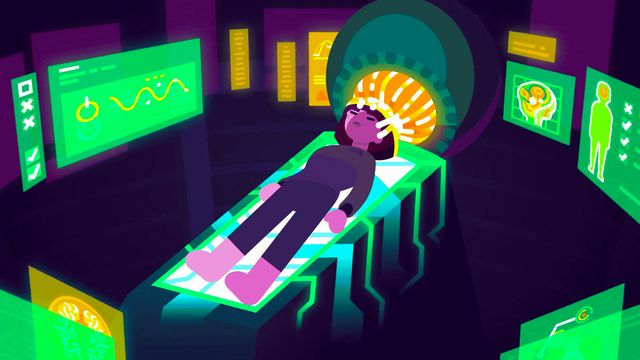
Far too many of us tend to accept the idea that smartphones are addictive and actively ruining the brains of heavy users. But studies into the idea find little to prove this notion.

# science
We know that teenagers think differently from adults because their brains aren't finished forming. But how does an adolescent brain transform into an adult one?

# science
A new experiment on recently slaughtered pigs shows us that brains may be intact for a while after death, and we might have the technology to bring them back to life. Now what?
# science
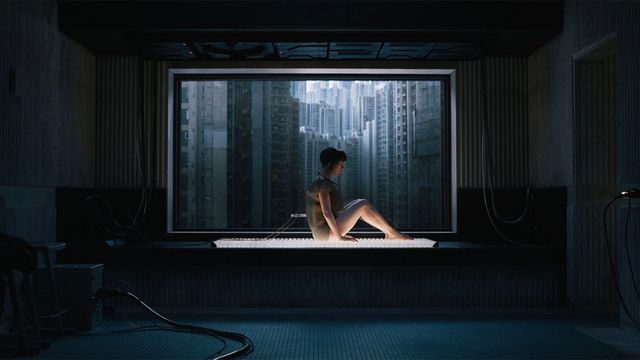
Far from being a high precision for computing your way through life, brains are messy and function more on recognition and guesswork, and understanding that is important for the future of medicine.
# science
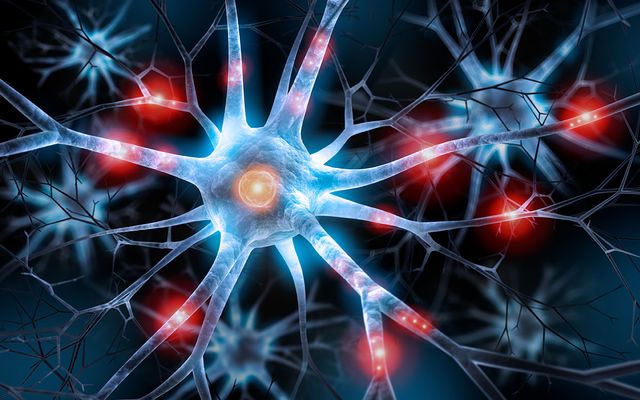
A study of brain cancer patients in Italy shows the neural epicenters of spiritual experiences and religious belief.
# tech
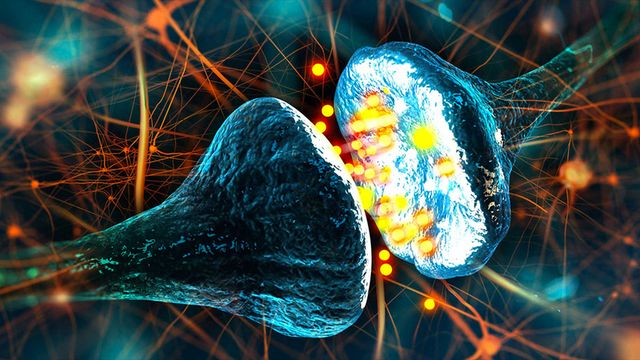
Researchers are scanning extremely thin slices of human brains to build up the most detailed map of our minds ever created. And that map may have some weird implications.
# science
Bleeding edge science isn't always right, especially when it tries to figure out free will and how we think.
# science
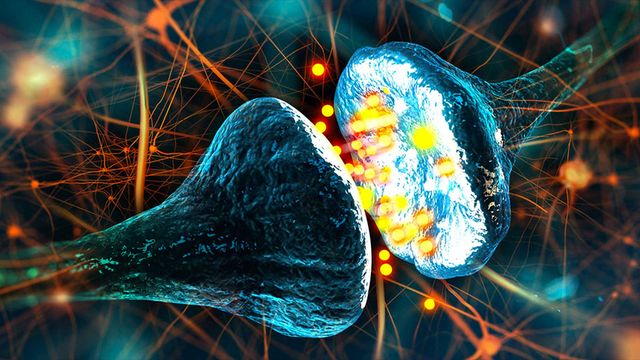
Is there such a thing as a limit to how much information your brain can store? Amazingly, there doesn't appear to be one.